Rwanda Tours — Gorillas, Forest Canopy and Savannah in the Land of a Thousand Hills
Rwanda tours run a tight circuit across a small country of steep green hills. Gorillas, forest canopy and savannah fit into four to ten days on the road.
A Rwanda tour starts with a choice: how many days, and how much forest. Most travellers come for the gorillas of Volcanoes National Park, then add Nyungwe Forest for chimpanzees and the canopy walk, Akagera for lions and rhinos, and Lake Kivu for a slow finish. The circuit is short, because Rwanda is small, yet the landscape changes every hour, from bamboo slopes to tea fields to open savannah. A good tour plans the order around the permits, the seasons and the roads, and leaves time for Kigali at both ends.
Quick Facts
- Place: Rwanda tours, guided circuits across Rwanda, the Land of a Thousand Hills, in East Africa.
- Capital: Kigali, the start and end point of most tours, with the airport and the main hotels.
- Main draw: Mountain gorillas in Volcanoes National Park, with permits limited to a small number of visitors each day.
- Second draw: Nyungwe Forest National Park, with chimpanzees, colobus monkeys and a canopy walkway.
- Third draw: Akagera National Park, with lions, rhinos, elephants and the Big Five in the east.
- Length: Most tours run four to ten days, with the classic circuit taking seven days.
- Best season: The dry seasons, June to September and December to February, with easier trekking and clearer views.
- Heritage: No Rwanda tour visits a World Heritage site inside Rwanda except Nyungwe, ref 1697, listed in 2023.
Geography of Rwanda Tours
Rwanda is a small landlocked country in East Africa, about twenty-six thousand square kilometres, with a population of about fourteen million people, and Rwanda tours cross the whole country in a few days. The country is known as the Land of a Thousand Hills, because its landscape is a series of steep green hills, with valleys, lakes and forests, and the tours follow the roads that wind over the hills. Kigali, the capital, sits near the centre of the country, and most Rwanda tours start and end in Kigali, with the airport and the main hotels, and the city is the hub for the whole circuit.
The classic circuit runs from Kigali northwest to Volcanoes National Park, south to Nyungwe Forest, east to Akagera National Park, and back to Kigali, with Lake Kivu on the western border as an optional stop. The distances are short, because Rwanda is small, yet the roads wind over the hills, and a journey of a hundred kilometres can take three hours. The landscape changes with every hour of driving, from the bamboo slopes of Volcanoes to the tea fields of Nyungwe, from the savannah of Akagera to the lake shore of Kivu, and the road itself is part of the experience.
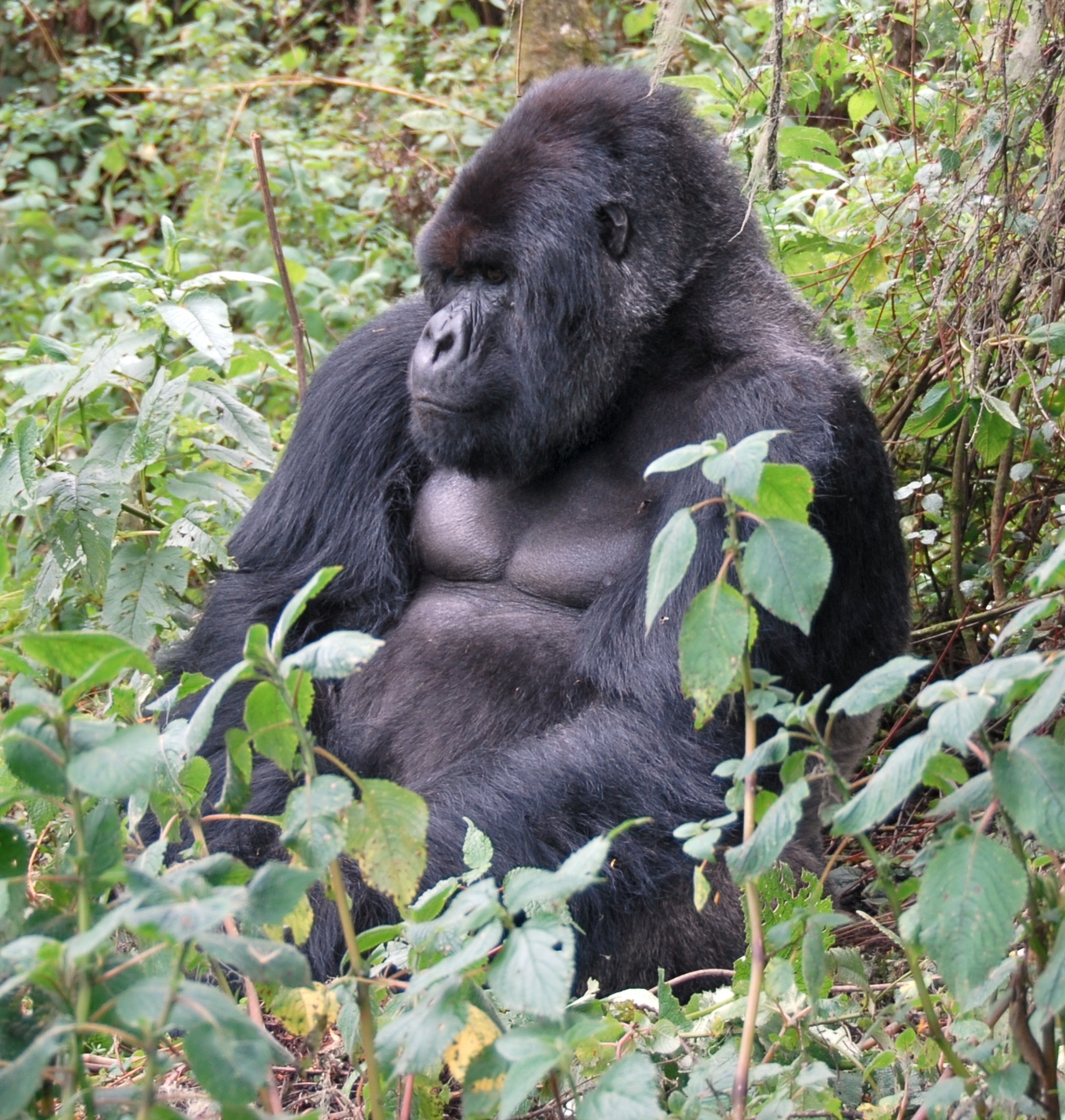
Volcanoes National Park lies in the northwest, on the border with Uganda and the Democratic Republic of Congo, in the Virunga mountains, with five volcanoes rising above the farmland. The park covers about one hundred and sixty square kilometres, with bamboo forest, montane forest and the slopes of the volcanoes, and the highest peak, Mount Karisimbi, rises four thousand five hundred and seven metres above the sea. The park is the home of the mountain gorillas, with about one thousand and sixty-three mountain gorillas in the world on the 2018 census, and the gorillas live in family groups on the slopes of the volcanoes.
Nyungwe Forest lies in the southwest, on the border with Burundi, and it is one of the oldest rainforests in Africa, with a canopy walkway, chimpanzees, colobus monkeys and more than three hundred bird species. The forest covers about one thousand and nineteen square kilometres, with hills, valleys and the source of the Nile, and the canopy walkway runs one hundred and sixty metres long and seventy metres high, with views over the forest. The forest is the largest remaining montane rainforest in East Africa, and it is the only World Heritage site in Rwanda, listed in 2023.
Akagera National Park lies in the east, on the border with Tanzania, with savannah, wetlands and lakes, and it is the only savannah park in Rwanda. The park covers about one thousand one hundred and twenty-two square kilometres, with lakes, rivers and hills, and it holds the Big Five, with lions, leopards, elephants, buffaloes and rhinos, in a landscape of lakes, rivers and hills. The park was reduced in size in the twentieth century, then restored in recent years, with lions reintroduced in 2015 and rhinos reintroduced in 2017 and 2019.
Lake Kivu lies on the western border, with Rwanda on the east shore and the Democratic Republic of Congo on the west shore, and the lake is one of the African Great Lakes, with beaches, islands and the towns of Gisenyi and Kibuye. The lake is the largest lake in Rwanda, with clear water and a calm surface, and it is the place for a slow finish to a tour, with swimming, kayaking and boat trips. The lake shore holds hotels and lodges, with views over the water and the hills of the Congo across the lake.
The roads of Rwanda wind over the hills, with hairpin bends and steep climbs, and the journey from Kigali to Volcanoes takes about two and a half hours, while the journey to Nyungwe takes about five hours. The roads are paved and well maintained, and the drive is part of the experience, with views over the hills, the tea fields and the lakes. Rwanda tours travel by four-wheel-drive vehicle, with a driver and a guide, and the vehicles are built for the rough roads of the parks. The short distances and the slow roads mean that a Rwanda tour spends as much time driving as trekking, and the road is the thread that joins the parks.
Between the parks, Rwanda tours cross farmland, with tea fields, coffee farms and banana plantations covering the hills, and the villages hold markets, schools and churches. The tea fields of Nyungwe and the coffee farms of the northwest are the main crops of the country, and the tours pass through them on the roads between the parks. The farmland is the everyday landscape of Rwanda, and the tours show it to visitors who come for the wildlife, with the hills, the valleys and the lakes as the backdrop.
History of Rwanda Tours
The history of Rwanda tours begins with the mountain gorillas, whose discovery by travellers in the twentieth century made Rwanda famous. The American primatologist Dian Fossey came to Rwanda in 1967 to study the mountain gorillas, and she founded the Karisoke Research Centre in the Virunga mountains, where she lived and worked for eighteen years. Fossey wrote the book Gorillas in the Mist, published in 1983, and the film of the same name, released in 1988, made the gorillas famous around the world, and travellers began to come to Rwanda to see the animals. Fossey was killed in 1985, and her grave lies in the park, with the gorillas she studied.
Volcanoes National Park was founded in 1925 as the Albert National Park, the first national park in Africa, created to protect the mountain gorillas, and it was renamed Volcanoes National Park after independence. The park was reduced in size in the twentieth century, then restored, and it is now the most visited park in Rwanda, with gorilla permits limited to a small number of visitors each day. The five volcanoes of the park rise above the farmland, and the gorillas live in family groups on their bamboo-covered slopes, where Fossey built her research camp. The park is named for the five volcanoes that rise from the farmland, Karisimbi, Bisoke, Muhabura, Gahinga and Sabyinyo, and the gorillas live on the bamboo-covered slopes between them.
Nyungwe Forest was formally protected as a forest reserve in 1933, and it was gazetted as a national park in 2004, becoming the third national park of Rwanda, after Volcanoes and Akagera. The canopy walkway opened in 2010, and the forest was listed as a World Heritage site in 2023, becoming the first World Heritage site in Rwanda. The listing recognised the forest as one of the oldest rainforests in Africa, and the park now draws visitors for its primates, its birds and its mountain trails. The forest covers about one thousand and nineteen square kilometres, with hills, valleys and the source of the Nile, and its trails run through the canopy and the valleys.
Akagera National Park was founded in 1934, and it was the largest park in Rwanda, covering about two thousand five hundred square kilometres at its largest, with savannah, wetlands and lakes. The park lost land in the twentieth century, and its lions and rhinos vanished, until a restoration programme brought them back, with lions in 2015, eastern black rhinos in 2017 and 2019, southern white rhinos in 2021, and seventy more white rhinos in June 2025. The park is now managed by African Parks, in partnership with the Rwanda Development Board, and it is the best place in Rwanda to see the savannah wildlife, with game drives, boat trips and a lodge on the shore of Lake Ihema.
The mountain gorilla population has grown in recent years, with the 2018 census counting one thousand and sixty-three mountain gorillas in the world, and the growth is a success of the conservation work in Rwanda, Uganda and the Democratic Republic of Congo. The census counted four hundred and fifty-nine gorillas in Bwindi-Sarambwe and six hundred and four in the Virunga Massif, and the growth came from the protection of the parks, the work of the rangers, the habituation of new gorilla families, and the income from tourism. The gorilla permits, limited to a small number of visitors each day, fund the protection of the parks, and the tours pay for the rangers, the research, the veterinary care and the community projects around the parks. The growth of the gorilla population is the reason Rwanda tours exist, and the tours are the reason the gorillas survive.
The genocide of 1994, in which about eight hundred thousand people were killed in a hundred days, changed Rwanda and its tourism, and the country rebuilt itself in the years after, with Kigali becoming a clean and safe city, and tourism becoming a major source of income. The Kigali Genocide Memorial, opened in 2004, tells the story of the genocide, and most tours visit the memorial, with guides explaining the history and the recovery. Rwanda tours today are a mix of wildlife, culture and history, with the gorillas, the forest, the savannah and the memorial, and the tours are run by local operators, with guides, drivers and lodges, and the permits are limited to protect the animals.
Travel to Rwanda Tours
A Rwanda tour starts in Kigali, the capital, with the airport, the hotels and the Kigali Genocide Memorial, and most tours spend the first night in Kigali, with a city tour and a visit to the memorial. The memorial is the most important place in the city, with exhibits, photographs and the mass graves of the victims, and a visit takes about two hours, with guides explaining the history. Kigali is a clean and safe city, with hills, markets and restaurants, and the city is the hub for the whole circuit, with the roads running out to the parks.
Volcanoes National Park is the main stop on a Rwanda tour, with the gorilla trekking the highlight of the whole circuit. The trek starts early in the morning, with a briefing at the park headquarters, and the trek takes one to four hours through the bamboo forest and the montane forest, with the guides tracking the gorillas. The visit with the gorillas lasts one hour, with the animals feeding, playing and resting on the slopes, and the trek is the most expensive and the most memorable part of the tour. The permits are limited to a small number of visitors each day, and they should be booked months in advance, because they sell out quickly, especially in the dry season.
Nyungwe Forest is the second stop, with the chimpanzee trekking, the canopy walkway and the colobus monkey trekking. The chimpanzee trek starts early in the morning, with the guides tracking the chimpanzees through the forest, and the visit lasts one hour, with the animals calling, feeding and moving through the trees. The canopy walkway runs one hundred and sixty metres long and seventy metres high, with views over the forest, and it is open to visitors aged six and above. The colobus monkey trek is a walk through the forest, with the monkeys moving in troops of hundreds, and the forest holds more than three hundred bird species, with guides pointing out the birds.
Akagera National Park is the third stop on Rwanda tours, with the savannah wildlife, the lakes and the Big Five. The park is best visited by car, with a driver and a guide, and the game drives run in the morning and the afternoon, with the animals gathering at the waterholes in the dry season. The park holds lions, leopards, elephants, buffaloes and rhinos, and the lakes hold hippos, crocodiles and birds, with boat trips on the lakes. The park is the best place in Rwanda to see the savannah wildlife, and a full day in the park gives the best chance to see the Big Five.
Lake Kivu is the optional fourth stop on Rwanda tours, and it is the place to rest after the trekking and the game drives. The shore towns of Gisenyi and Kibuye hold hotels with gardens and private beaches, and a boat trip to the islands gives the best view of the lake, with the hills of the Congo across the water. Swimming, kayaking and a slow lunch by the water fill a day here, and the lake is the calmest part of the circuit, a contrast with the early mornings and the rough roads of the parks. A day on the lake suits travellers who have a spare day before the flight home, and the sunset over the water is the finest evening of a Rwanda tour.
The best time for a Rwanda tour is the dry season, June to September and December to February, when the trekking is easier, the trails are dry, and the views are clear. The wet season, March to May and October to November, brings rain and muddy trails, with the gorilla trekking harder and the roads slower, though the forest is greener and the birds are more active. The permits should be booked months in advance, and the tour should be planned around the permits, with the gorilla day as the anchor of the circuit.
Notable Places in Rwanda Tours
Volcanoes National Park and the Gorilla Trek
Volcanoes National Park lies in the northwest, on the border with Uganda and the Democratic Republic of Congo, in the Virunga mountains, with five volcanoes rising above the farmland. The trek begins before dawn at the park headquarters, where rangers assign each group to a gorilla family and brief the visitors on the rules of the forest. An hour with the gorillas, watching them feed, play and rest on the slopes, is the memory most travellers carry home from Rwanda. The park is best visited in the dry season, from June to September, when the trails are dry and the views are clear.
Nyungwe Forest and the Canopy Walkway
Nyungwe Forest lies in the southwest, on the border with Burundi, and it is one of the oldest rainforests in Africa, with a canopy walkway, chimpanzees and colobus monkeys. The canopy walkway runs one hundred and sixty metres long and seventy metres high, with views over the forest, and it is open to visitors aged six and above. The chimpanzee trek starts early in the morning, and the forest holds more than three hundred bird species. The forest is the only World Heritage site in Rwanda, listed in 2023, and it suits a full day of walking and wildlife.
Akagera National Park and the Savannah
Akagera National Park lies in the east, on the border with Tanzania, with savannah, wetlands and lakes, and it is the only savannah park in Rwanda. The park holds the Big Five, with lions reintroduced in 2015 and rhinos reintroduced in 2017, 2019 and 2021, and the game drives run in the morning and the afternoon. The lakes hold hippos, crocodiles and birds, with boat trips on the lakes, and the park is best visited in the dry season, when the animals gather at the waterholes. A full day in the park gives the best chance to see the Big Five.
Lake Kivu and the Western Shore
Lake Kivu lies on the western border, with Rwanda on the east shore and the Democratic Republic of Congo on the west shore, and the lake is one of the African Great Lakes. The lake shore holds the towns of Gisenyi and Kibuye, with hotels and lodges, and the lake suits swimming, kayaking and boat trips. The lake is the largest lake in Rwanda, with clear water and a calm surface, and a day on the lake is the best rest after the trekking and the game drives. The lake is the place for a slow finish to a tour, with views over the water and the hills across the lake.
Kigali and the Genocide Memorial
Kigali lies near the centre of Rwanda, with the airport, the hotels and the Kigali Genocide Memorial, and most tours start and end in the city. The memorial tells the story of the genocide of 1994, with exhibits, photographs and the mass graves of the victims, and a visit takes about two hours. The city is clean and safe, with hills, markets and restaurants, and the memorial is the most important place in the city. A city tour of Kigali suits the first or the last day of a tour, with the memorial, the markets and the hills.
Frequently Asked Questions
How many days do Rwanda tours take?
Most Rwanda tours run four to ten days, with the classic circuit taking seven days.
What is the main draw of Rwanda tours?
The main draw is the mountain gorillas in Volcanoes National Park, with permits limited to a small number of visitors each day.
When is the best time for Rwanda tours?
The dry seasons, June to September and December to February, suit Rwanda tours best, with easier trekking and clearer views.
Do Rwanda tours visit a World Heritage site?
Yes. Rwanda tours visit Nyungwe Forest National Park, ref 1697, listed in 2023 as the first World Heritage site in Rwanda.
How much do gorilla permits cost?
Gorilla permit costs change with the season and the park, so this guide gives no prices. Check the current cost before booking.
Can I combine Rwanda tours with Uganda?
Rwanda tours combine easily with Uganda, with the gorillas of Bwindi across the border. A combined tour takes ten to fourteen days.
Verified
- Rwanda tours are guided circuits across Rwanda, starting and ending in Kigali, with Volcanoes, Nyungwe, Akagera and Lake Kivu as the main stops — travel guides, checked 23 November 2026.
- Volcanoes National Park was founded in 1925 as the first national park in Africa; it covers about 160 square km, and Mount Karisimbi rises 4,507 metres above the sea — Wikipedia, checked 23 November 2026.
- There are 1,063 mountain gorillas in the world on the 2018 census, with 459 in Bwindi-Sarambwe and 604 in the Virunga Massif — the International Gorilla Conservation Programme, checked 23 November 2026.
- Nyungwe Forest was formally protected as a forest reserve in 1933, gazetted as a national park in 2004, and listed as a World Heritage site in 2023, ref 1697, under criterion (x) only, covering 101,963.67 hectares — whc.unesco.org/en/list/1697/, checked 23 November 2026.
- The Nyungwe Canopy Walkway runs 160 metres long and 70 metres high, opened in 2010, and is open to visitors aged 6 and above — Nyungwe National Park, checked 23 November 2026.
- Akagera National Park was founded in 1934 and covers 1,122 square km; lions were reintroduced in 2015, eastern black rhinos in 2017 and 2019, southern white rhinos in 2021, and 70 more white rhinos were added in June 2025 — African Parks, checked 23 November 2026.
- The nearest World Heritage site to Kigali, the reference point of Rwanda tours, is Bwindi Impenetrable National Park in Uganda, ref 682, inscribed in 1994 under criteria (vii) and (x), about 109.7 km away in a straight line, against 113.1 km for Nyungwe itself; the tour visits Nyungwe, which is itself a World Heritage site — whc.unesco.org/en/list/682/ and whc.unesco.org/en/list/1697/, checked 23 November 2026.
Sources
- Volcanoes National Park on Wikipedia (https://en.wikipedia.org/wiki/Volcanoes_National_Park) — founded 1925, Karisimbi 4,507 metres; checked 23 November 2026.
- Nyungwe Forest National Park on UNESCO (https://whc.unesco.org/en/list/1697/) — ref 1697, criterion (x); checked 23 November 2026.
- Bwindi Impenetrable National Park on UNESCO (https://whc.unesco.org/en/list/682/) — ref 682, criteria (vii) and (x); checked 23 November 2026.
- Akagera National Park on African Parks (https://www.africanparks.org/the-parks/akagera) — lions 2015, rhinos 2017, 2019, 2021; checked 23 November 2026.
- Mountain gorilla census on the International Gorilla Conservation Programme (https://igcp.org/gorillas/mountain-gorillas/) — 1,063 gorillas, 2018 census; checked 23 November 2026.
Unverified
- The length of Rwanda tours varies with the operator and the itinerary, so this article gives four to ten days as the usual range and notes that it varies.
- The number of visitors allowed on a gorilla trek each day changes with the park rules, so this article gives no exact number and advises booking months in advance.
- Gorilla permit costs change with the season and the park, so this article gives no prices.
- The exact number of bird species in Nyungwe Forest varies with the source, so this article gives more than three hundred as an approximate figure.
Illustrations
- Hero: Mountain gorillas of the Susa group in Rwanda. Free image: https://upload.wikimedia.org/wikipedia/commons/a/a0/Susa_group%2C_mountain_gorilla.jpg — CC BY 2.