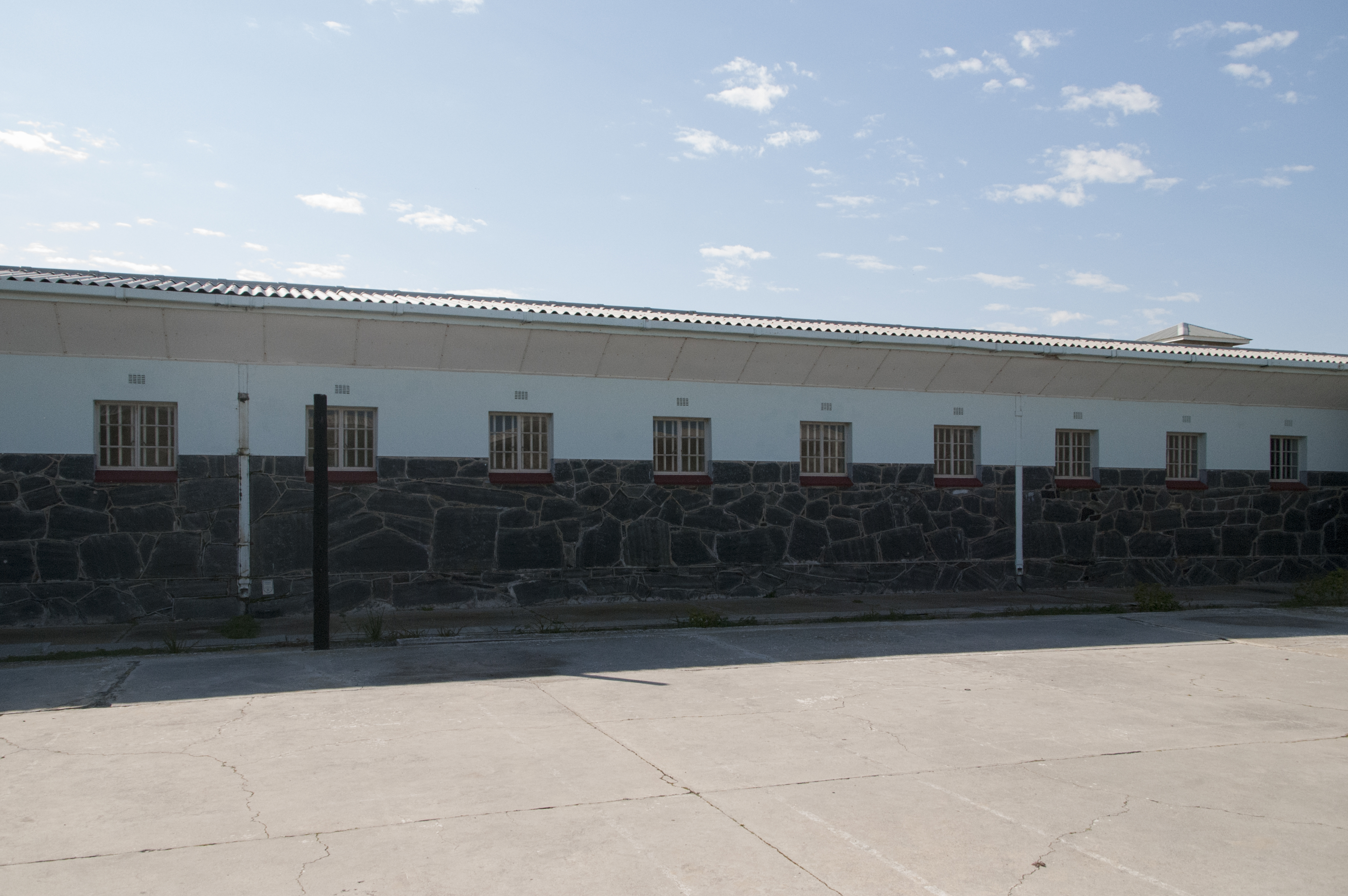
Robben Island Tours — The Prison of Mandela and the Symbol of Freedom
Robben Island tours ferry visitors across Table Bay to the prison where Mandela spent eighteen years. The crossing takes half an hour.
A Robben Island tour runs in one fixed form: a ferry from the Nelson Mandela Gateway at the Victoria and Alfred Waterfront, a bus circuit of the island, and a walking tour of the maximum security prison, usually led by a former political prisoner. The island lies about seven kilometres off the Cape Town coast, and the whole visit takes about three and a half to four hours. What follows is the island first, then its history, then the practical detail of booking, sailing and walking the prison.
Quick Facts
- Tour: Robben Island tour, a museum tour by ferry, bus and on foot
- Departure: Nelson Mandela Gateway, Clock Tower precinct, Victoria and Alfred Waterfront, Cape Town
- Crossing: About 30 to 45 minutes each way across Table Bay
- Total time: About three and a half to four hours, ferry included
- Island: Low and flat, about five square kilometres, in Table Bay
- Prison: Maximum security prison founded in 1961, last prisoners left in 1996
- Mandela: Held on the island from June 1964 to April 1982, eighteen years
- Museum: Robben Island Museum opened in 1997
- UNESCO: Robben Island, ref 916, inscribed in 1999
- Guides: The prison walk is usually led by a former political prisoner
Geography of Robben Island Tours
Robben Island sits in Table Bay, about seven kilometres from the nearest shore and about eleven kilometres from the centre of Cape Town. The island is low and flat, a long strip of rock and sand with low scrub and grass, and its highest ground rises only a few metres above the sea. From the ferry, visitors see Table Mountain and the Cape Town skyline behind them and the prison buildings, the lighthouse and the low houses ahead, and the crossing itself is part of the experience, because it gives a sense of the isolation that made the island a prison.
The Atlantic wind shapes everything on Robben Island, and the weather can change in an hour, with fog, rain and heavy seas arriving without warning. The island carries low vegetation, seabirds in large numbers, and a colony of African penguins on its beaches, and the penguins are one of the reasons the bus tour stops on the western shore. Visitors should bring a warm jacket even in summer, because the wind off the sea is cold, and sunscreen as well, because the sun on Table Bay is strong when the sky clears.
The prison buildings stand on the eastern side of the island, low blocks of stone and concrete behind fences and watchtowers, with the administrative buildings, the warders’ houses and the hospital grouped nearby. The western side holds the lighthouse, the limestone quarry where prisoners broke stone, and the penguin colony, and the bus tour follows the island roads between these points. From the island, Cape Town looks close enough to touch, which is exactly why the island worked as a prison: near enough to guard, far enough to cut people off.
The island is roughly oval in shape, 3.3 kilometres long from north to south and 1.9 kilometres wide, with an area of about 5 square kilometres. The highest ground is Minto Hill in the south, where the lighthouse stands, completed in 1865, with a tower 18 metres high and a beam visible up to 44 kilometres away. The lighthouse was built because the island is a danger to shipping, with reefs and a rough Atlantic swell off its jagged coast, and 31 vessels are known to have been wrecked around it.
The island is also a place for wildlife, above all the African penguin, whose original colony was wiped out by 1800 and re-established from 1983. The colony grew to about 16,000 birds in 2004 before falling again to about 3,000 by 2015, a decline found at almost all other African penguin colonies, probably linked to a falling supply of sardines and anchovies. Penguins are easy to see in their natural habitat on the island, and they have become a popular sight on the tour, alongside seals and seabirds, and the guides explain the decline and the work to protect the birds.
The island lies 6.9 kilometres west of the coast of Bloubergstrand, north of Cape Town, and its name comes from the Dutch word for seals, robben, because seals gathered on its shores. When the Dutch arrived in 1652, the only large animals on the island were seals and birds, including penguins, and the settlers released rabbits in 1654 to provide meat for passing ships.
History of Robben Island Tours
The history of Robben Island as a place of exile begins in the seventeenth century, when Dutch settlers at the Cape used the island to banish prisoners and sick people from the Dutch East Indies and other colonies. In the nineteenth century the island became a hospital settlement, and the leper colony that operated from 1846 was one of the largest in South Africa, holding thousands of patients over many decades. Long before it held political prisoners, the island was already a place of separation and suffering.
In 1961 the apartheid government opened a maximum security prison on Robben Island for political opponents, above all for black leaders of the liberation movement. The prison was designed to break the spirit of its inmates through hard labour, isolation and harsh living conditions, and prisoners worked in the limestone quarry under a fierce sun, with stone dust damaging their eyes and lungs, and slept in small cells with a thin mat on the floor and a bucket. The quarry is now one of the most moving stops on the bus tour, because it shows the labour the prisoners endured.
Nelson Mandela arrived on Robben Island in June 1964, after the Rivonia Trial sentenced him to life imprisonment for sabotage and conspiracy to overthrow the government. He spent eighteen years on the island, from 1964 to April 1982, when he was moved to Pollsmoor Prison on the mainland, and his cell in the maximum security block is the centrepiece of the walking tour. In prison, Mandela and other inmates studied in secret, debated politics and kept their spirits up, turning the prison into an informal university.
Many other leaders of the anti-apartheid movement were held on the island with Mandela, among them Walter Sisulu, Govan Mbeki, Ahmed Kathrada and Raymond Mhlaba. These men spent years in the same small cells, and after their release many became leaders of democratic South Africa, and Kathrada, who spent eighteen years on the island, later helped to found the museum. The prison guides who lead the walking tour are often former political prisoners themselves, and their own stories make the visit more vivid than any book.
The prison stopped holding political prisoners in 1991, and the last prisoners left the island in 1996. The Robben Island Museum opened in 1997, with the task of preserving the site and teaching the history of apartheid and the struggle for freedom. In 1999 UNESCO inscribed Robben Island on the World Heritage List, describing it as a symbol of the triumph of the human spirit, of freedom and of democracy over oppression. A Robben Island tour today is one of the most important museum tours in South Africa, and visitors come from all over the world to understand the country and Mandela.
The island’s use as a prison began long before apartheid, with Dutch settlers banishing prisoners from the mid-seventeenth century, and the first prisoner was probably Autshumato, a Khoi leader held on the island. In 1819 the British sentenced the Xhosa leader Makanda Nxele to life imprisonment on the island after a failed uprising at Grahamstown, and he drowned in Table Bay after escaping. In 1806 the Scottish whaler John Murray opened a whaling station on the north-eastern shore, at the site of the present Murray’s Bay Harbour, which was built in 1939 and 1940. During the Second World War the island was fortified with heavy guns as part of the defences of Cape Town, and the bunkers from that time are still visible on the bus tour.
The island also holds a sacred site for Muslim pilgrimage, the Moturu Kramat, built in 1969 to commemorate Sayed Abdurahman Moturu, a sheikh from Madura in Indonesia who was exiled to the island in the 1740s and died there in 1754. Muslim political prisoners would pay homage at the shrine before leaving the island, and it is now a place of pilgrimage for Muslims from Cape Town. In April 1994 South Africa held its first democratic elections, and Nelson Mandela became the country’s first black president, and the island’s story became the story of the new South Africa, with the prison turned into a museum of freedom rather than a place of punishment.
Travel to Robben Island
Booking is the most important step of a Robben Island tour, because the tour often sells out days ahead, above all in the high season from November to March. Visitors should book online on the official website of the Robben Island Museum, or buy tickets at the ticket office at the Waterfront in Cape Town, and should book as early as possible once the date is fixed. The ticket covers the return ferry, the bus tour around the island and the walking tour of the prison, with a former political prisoner as guide when one is available, and prices should be checked directly on the official site, because they change over time and by ticket type.
Ferries leave from the Nelson Mandela Gateway, beside the Clock Tower at the Waterfront in Cape Town, and visitors should arrive at least half an hour before departure. Ferries usually leave at nine, eleven and one o’clock, with an extra sailing at three o’clock in the high season from September to April, though the timetable can change with the season and the sea. The crossing takes about 30 to 45 minutes each way, and it can be cancelled when the sea is rough or the wind is strong, so visitors should have a back-up plan and check the ferry status before leaving.
The island tour begins when the ferry docks, with a bus circuit of about 45 minutes that takes visitors to the limestone quarry, the lighthouse and the penguin colony, with a museum guide explaining the history and geography of the island. After the bus tour comes the walking tour of the maximum security prison, lasting about 45 to 60 minutes, led by a former political prisoner who takes visitors through the cells, the exercise yard and the dining areas. The highlight is Mandela’s cell, where visitors can stand in silence and imagine eighteen years spent in a small room.
Visitors should be ready for a moving visit, because a Robben Island tour is an emotional experience that can affect people strongly. Many visitors say it is the most memorable experience of their time in South Africa, because it is not only a sightseeing trip but a lesson in history, endurance and the value of freedom. Visitors should listen to the guide, ask questions and take time to reflect, rather than only taking photographs, and should bring a jacket, drinking water and sunscreen, because the weather on the island can change quickly. A Robben Island tour combines well with the Waterfront and Table Mountain, and visitors should allow at least a full day for the island and the Waterfront together.
Notable Places in Robben Island
Mandela’s Cell. The cell stands in B Section of the maximum security prison, and the guide opens its door so visitors can look inside at the thin mat, the small table and the bucket that were all Mandela had. Standing in the doorway is the quietest moment of the tour, and the former prisoner who leads it often tells how the men in these cells kept studying in secret.
Limestone Quarry. The quarry is a white scar on the western side of the island, and the bus stops here so visitors can walk among the broken stone where prisoners laboured for hours each day. A pile of stones at the edge marks the spot where former prisoners gathered in 1995, each adding a stone to remember the years they spent breaking rock.
Robben Island Lighthouse. The lighthouse is one of the oldest in South Africa, built in the nineteenth century, and it still guides ships into Table Bay. The bus pauses nearby for photographs, and the view from this point takes in the whole of Cape Town and Table Mountain across the water.
African Penguin Colony. The penguins gather on the beaches and rocks of the western shore, and the bus tour slows here so visitors can watch them, above all in the breeding season. The colony is a reminder that the island is also a living place for wildlife, not only a prison.
Nelson Mandela Gateway. The Gateway is the departure point at the Waterfront, beside the Clock Tower, and it holds a small museum about Mandela and the island, with photographs, documents and a multimedia timeline of his life. Arriving early lets visitors walk through the museum before boarding, which makes the island visit easier to follow.
Maximum Security Prison Courtyard. The exercise yard is a bare concrete space inside the prison walls, and the guide explains how the men used it for sport and for secret discussion. It is the part of the prison where the idea of the island as an informal university feels most real, because the yard was where the prisoners talked and learned.
Moturu Kramat. The shrine stands on the island as a place of Muslim pilgrimage, built in 1969 for a sheikh who died in exile here in 1754. Visitors should show respect at the shrine, and the guide explains its story on the bus tour, because it is the part of the island’s history that belongs to Cape Town’s Muslim community.
Murray’s Bay Harbour. The harbour is where the ferry docks, and it is the working heart of the island, built in 1939 and 1940 on the site of a whaling station opened in 1806. Arriving by boat gives the best first view of the island, with the prison buildings, the lighthouse and Table Mountain across the water.
Frequently Asked Questions
How long does a Robben Island tour take?
About three and a half to four hours in total, with the ferry, the bus circuit and the prison walk included.
How do I book a Robben Island tour?
Book online on the official Robben Island Museum website, or at the Waterfront ticket office, well ahead of the date.
Does the ticket include the ferry?
Yes, the ticket covers the return ferry from the Nelson Mandela Gateway, the bus tour and the prison walk.
Who leads the Robben Island tour?
The prison walk is usually led by a former political prisoner, and the bus tour by a museum guide.
Can children go on a Robben Island tour?
Yes, though the visit suits children aged ten and over best, because the history is heavy and the tour is long.
How much does a Robben Island tour cost?
No price is given here, because prices change; check the official museum website before booking.
Verified
- Robben Island was inscribed on the World Heritage List in 1999, ref 916, criteria (iii)(vi), as a symbol of the triumph of the human spirit, of freedom and of democracy over oppression — whc.unesco.org/en/list/916/, checked 23 November 2026.
- The nomination file gives the date of inscription as 4 December 1999, and the property was declared a National Monument in 1996 — whc.unesco.org/uploads/nominations/916.pdf, checked 23 November 2026.
- Nelson Mandela was held on Robben Island for eighteen years, from June 1964 to April 1982, in cell number 5 of B Section, prisoner number 466/64 — Robben Island Museum and Wikipedia, checked 23 November 2026.
- The maximum security prison was founded in 1961, the last prisoners left the island in 1996, and the Robben Island Museum opened in 1997 — Robben Island Museum, checked 23 November 2026.
- The island lies about seven kilometres from the nearest shore and about eleven kilometres from the centre of Cape Town, and the ferry takes about 30 to 45 minutes each way — Robben Island Museum, checked 23 November 2026.
- The island covers about five square kilometres, and the UNESCO synthesis records more than 700 buildings and sites listed on the island database — whc.unesco.org/en/list/916/, checked 23 November 2026.
- Robben Island is 3.3 kilometres long and 1.9 kilometres wide, with an area of about 5 square kilometres, and the lighthouse on Minto Hill was completed in 1865, with a tower 18 metres high and a beam visible up to 44 kilometres — Wikipedia, checked 23 November 2026.
- The African penguin colony was re-established in 1983, grew to about 16,000 birds in 2004 and had fallen to about 3,000 by 2015, and 31 vessels are known to have been wrecked around the island — Wikipedia, checked 23 November 2026.
- The Moturu Kramat was built in 1969 to commemorate Sayed Abdurahman Moturu, who died on the island in 1754, and the whaling station at Murray’s Bay was opened by John Murray in 1806 — Wikipedia, checked 23 November 2026.
Sources
- UNESCO — Robben Island (https://whc.unesco.org/en/list/916/) — inscription 1999, ref 916, criteria (iii)(vi); checked 23 November 2026.
- UNESCO — Robben Island nomination file (https://whc.unesco.org/uploads/nominations/916.pdf) — date of inscription 4 December 1999; checked 23 November 2026.
- Robben Island Museum — official site (https://www.robben-island.org.za/) — ferry, tours and museum information; checked 23 November 2026.
- Wikipedia — Robben Island (https://en.wikipedia.org/wiki/Robben_Island) — island history, prison, Mandela; checked 23 November 2026.
Unverified
- Ticket prices for the Robben Island tour, because prices change over time and by ticket type and were not verified directly on the official museum site.
- The exact ferry timetable by season, because the timetable changes with the season and sea conditions and should be checked when booking.
- The current number of African penguins on Robben Island, because the figure changes with the season and sources give different numbers.
- The exact opening hours of the museum at the Nelson Mandela Gateway, because hours change with the season and were not verified directly.
Illustrations
- Hero: Robben Island Tours. Free image: https://upload.wikimedia.org/wikipedia/commons/0/08/B-Section%2C_Maximum_Security_Prison%2C_Robben_Island_%2801%29.jpg — CC BY-SA 4.0.