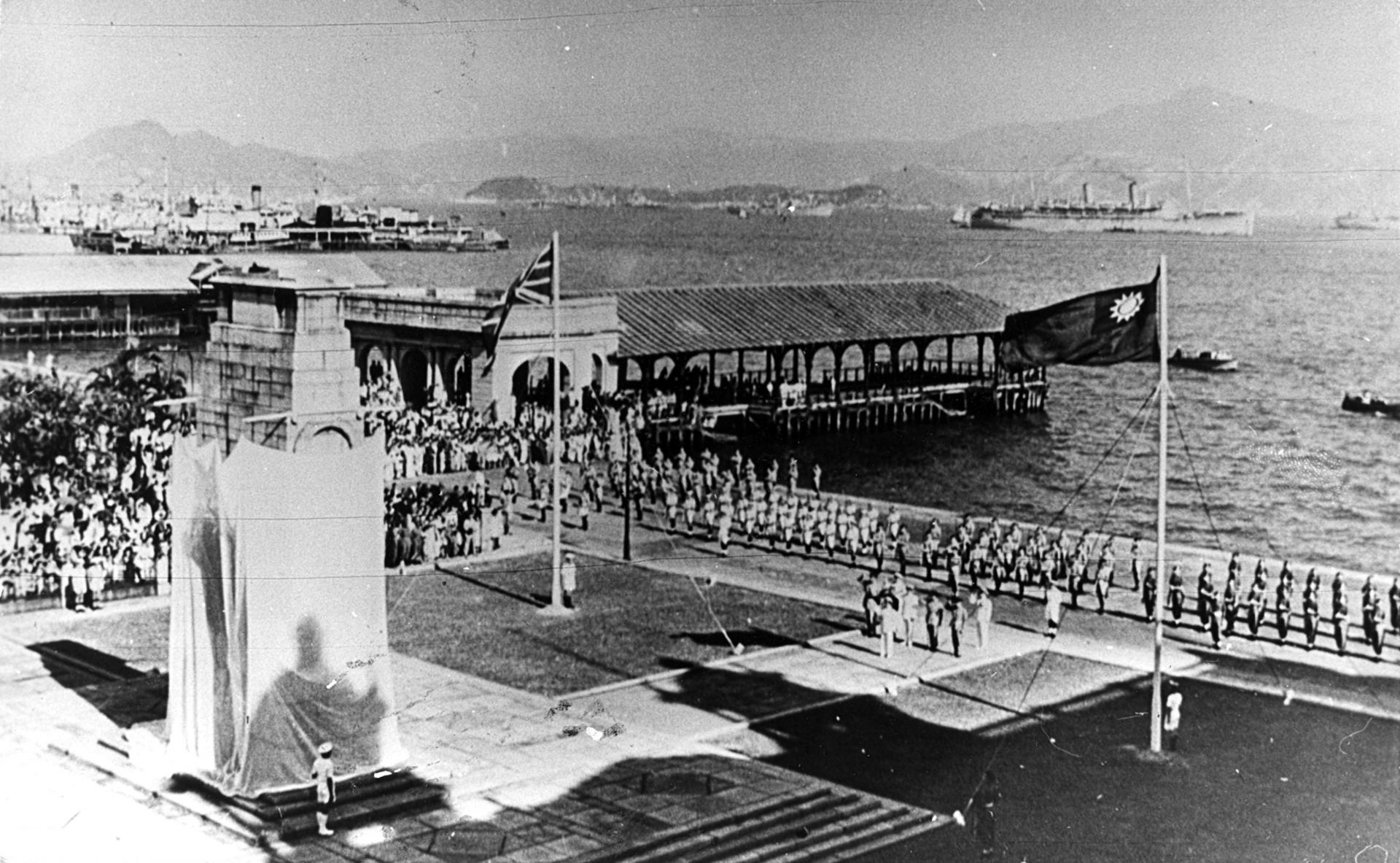
Central Hong Kong
Central Hong Kong is the financial and administrative heart of Hong Kong Island. Its towers, escalators and colonial buildings line the harbour.
Central Hong Kong, usually called Central, is the financial and administrative centre of Hong Kong, in the north-eastern corner of the Central and Western District, on the north shore of Hong Kong Island, across Victoria Harbour from Tsim Sha Tsui. It is the place where the city of Victoria began: the British chose it as the military and administrative centre in 1841, and it has been the centre of government, banking and business ever since, with the towers of the banks, the courts, the cathedral and the park standing side by side.
Quick Facts
| Item | Detail |
|---|---|
| Name | Central Hong Kong, usually called Central |
| Position | Financial and administrative centre of Hong Kong |
| Location | North-eastern corner of the Central and Western District, north shore of Hong Kong Island, across Victoria Harbour from Tsim Sha Tsui |
| Language | Cantonese is the main language; English is the second official language |
| Currency | Hong Kong dollar (HKD) |
| Time zone | UTC+8, no daylight saving |
| Wikidata | Q14767, Central, coordinates 22.28194 and 114.15806 |
| GeoNames | 8223932 |
Central Hong Kong is a district of towers and institutions. The streets hold the headquarters of the banks, the courts, the government offices and the stock exchange, with the towers of HSBC, the Bank of China and the International Finance Centre rising over the harbour. Between the towers stand the older buildings: St John’s Cathedral, the former Supreme Court, the old barracks and the park, which keep the history of the city in the middle of the financial centre.
The name Central is short for the Central District, the centre of the city of Victoria, and it is used by everyone in Hong Kong, from the bankers to the tram drivers. The district is small, walkable in half an hour, but it holds more of the power and the money of the city than any other place, and its streets are the busiest in Hong Kong.
Geography
The district sits at the water’s edge on the northern side of Hong Kong Island, on ground won from the harbour over the years, with the slopes of the Peak at its back. Its shape is a thin strip: the harbour roads, Des Voeux Road and Connaught Road, run east to west along the water, while Garden Road and Cotton Tree Drive climb southwards up the hill. The flat streets by the piers stand on fill, and the lanes higher up follow the contours of the slope.
The harbour is the northern edge of Central Hong Kong, and the piers along it serve the ferries to the outlying islands and to Macau, as well as the Star Ferry to Tsim Sha Tsui. The harbourfront gives views across the water to Kowloon, and the skyline of Central Hong Kong, with the towers of the banks, is the most photographed view in the city. The reclamation that built the harbourfront pushed the shoreline out to sea, and the old shoreline, where the first buildings stood, is now inland.
The hill behind Central Hong Kong is the lower slope of Victoria Peak, and the streets climb it in steps and lanes. The Peak Tram, opened on 30 May 1888, runs from Central Hong Kong to the Peak, climbing the steep slope in about ten minutes, and the Central to Mid-Levels Escalator, opened on 15 October 1993, runs up the hillside through the residential streets. The climb is steep, but the escalator and the tram make it easy, and the views from the hillside look over the towers to the harbour.
Hong Kong has a subtropical climate, so the year swings between sticky summers and dry, cool winters. The pleasant months for walking here run from November to March, when the air is dry and mild, while June to September brings heat, humidity, rain and the chance of typhoons. The walkways that join the towers, the arcades and the MTR stations give shade and cover when the weather turns.
Central Hong Kong is part of the old city of Victoria, and it stands between Sheung Wan to the west and Wan Chai to the east. The MTR station of Central links the district to the rest of the island and to Kowloon, and the tram runs along Des Voeux Road, giving a slow ride through the financial centre. The district is the transport hub of the city, with the station, the piers and the bus terminus within a few minutes of each other.
The Star Ferry pier, on the harbourfront, is one of the oldest transport links in the city, carrying passengers across the harbour to Tsim Sha Tsui since the 19th century. The ferry ride, about ten minutes, gives the classic view of the skyline from the water, and the pier itself, with its clock tower and its waiting hall, is a landmark of the district. The harbourfront promenade, built on the reclaimed land, runs along the water with benches, trees and views to Kowloon.
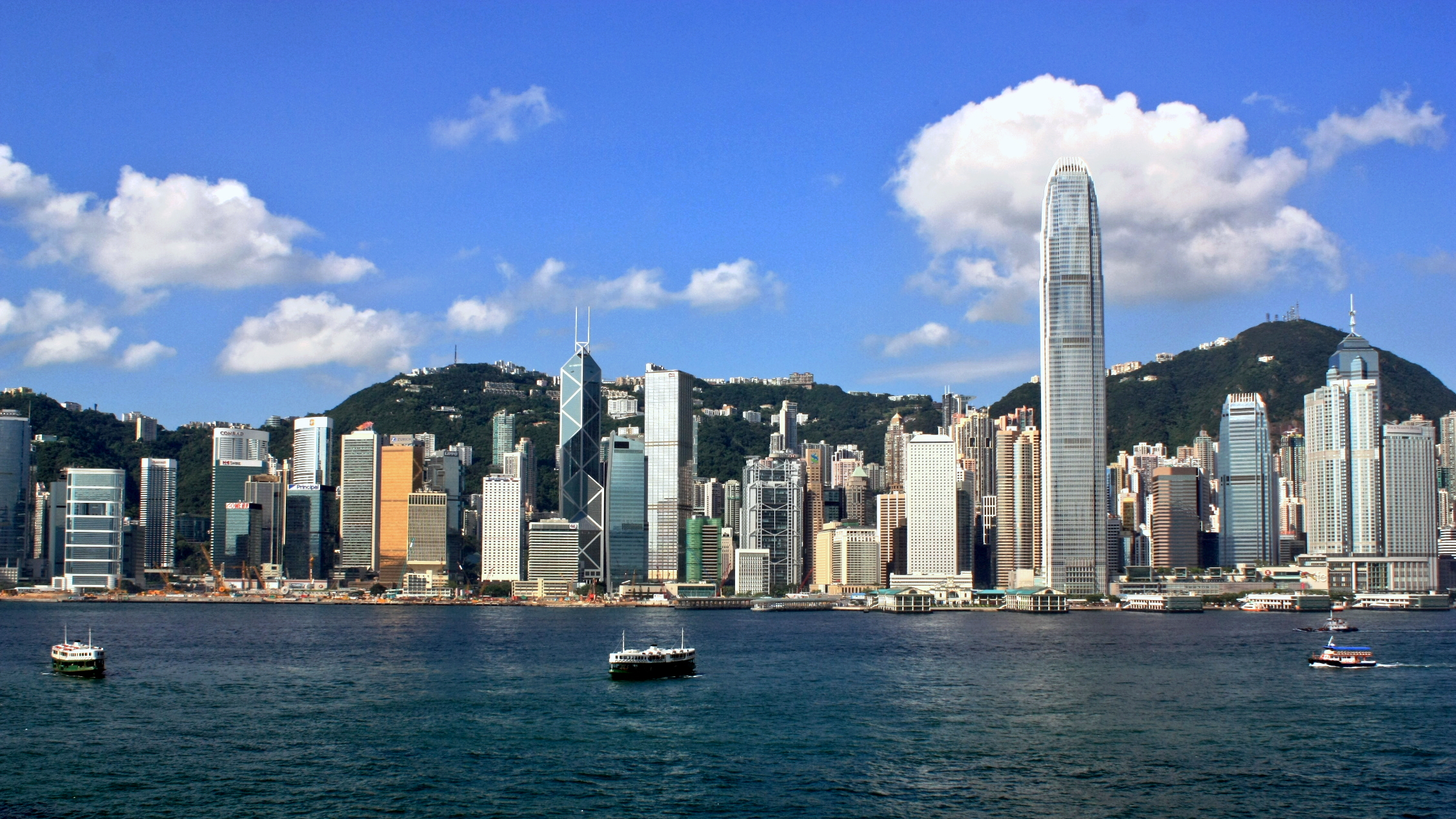
Skyline of Central District in Hong Kong, which viewed from Tsim Sha Tsui , on the opposite side of Victoria Harbour — CC BY-SA 3
History
In January 1841, the British landed at Sheung Wan, and Central Hong Kong was chosen as the military and administrative centre of the city of Victoria. The first buildings were the barracks, the offices and the houses of the officials, built on the flat land by the harbour, with the hill behind them. The city grew around the centre, with the Chinese in Sheung Wan to the west and the British in Central, and the division shaped the city for a century.
On 11 March 1847, the first stone of St John’s Cathedral was laid, and on 11 March 1849 the cathedral held its first Sunday service, being consecrated in 1852. The cathedral, in the Early English style, is the oldest Anglican church in the Far East, and it stands on Garden Road, on the hillside above the centre, with a quiet garden around it. The cathedral survived the war and the rebuilding of the city, and it is still a living church today.
On 30 May 1888, the Peak Tram opened, linking Central Hong Kong with the Peak, and the tram made the hillside a place to live, with houses and gardens above the heat of the harbour. In 1912, the Supreme Court building was completed on Statue Square, and it served as the headquarters of the Legislative Council from 1985 to 2011, before becoming the Court of Final Appeal. The building, in the classical style, is one of the finest colonial buildings in Hong Kong.
In 1935, the third-generation headquarters of HSBC was completed, the first skyscraper in Hong Kong, and it set the pattern for the towers that followed. In 1985, the present HSBC headquarters, designed by Norman Foster, was completed, with its steel frame, its open ground floor and its escalators, and it became the symbol of the bank and of the city. In 1990, the Bank of China Tower, designed by Pei, was completed, with its triangular frame rising over the harbour, and it became the tallest building in Hong Kong at the time.
In May 1991, Hong Kong Park opened on the site of the former Victoria Barracks, giving the centre a green space with trees, ponds, an aviary and the Flagstaff House, the oldest colonial building in Hong Kong. On 15 October 1993, the Central to Mid-Levels Escalator came into operation, the longest outdoor covered escalator system in the world, linking the centre with the residential streets on the hillside. On 1 July 1997, Hong Kong was handed over to China, and Central Hong Kong continued as the financial and administrative centre, with the towers, the courts and the government offices carrying on their work.
In 2003, the Two International Finance Centre tower was completed, about 415 m high, and it became the tallest building in Hong Kong. The tower, with its offices, its shopping mall and its observation deck, stands on the harbourfront, and it is the landmark of the new Central, built on the reclaimed land. The district today holds the old and the new side by side: the cathedral and the courts beside the towers, the park beside the banks, and the tram beside the metro.
Timeline
- January 1841: the British land at Sheung Wan; Central is chosen as the military and administrative centre of the city of Victoria.
- 11 March 1847: the first stone of St John’s Cathedral is laid.
- 11 March 1849: St John’s Cathedral holds its first Sunday service; the cathedral is consecrated in 1852.
- 30 May 1888: the Peak Tram opens, linking Central with Victoria Peak.
- 1912: the Supreme Court building is completed on Statue Square; it serves as the Legislative Council headquarters from 1985 to 2011.
- 1935: the third-generation HSBC headquarters is completed, the first skyscraper in Hong Kong.
- 1985: the present HSBC headquarters, designed by Norman Foster, is completed.
- 1990: the Bank of China Tower, designed by Pei, is completed.
- May 1991: Hong Kong Park opens on the site of the former Victoria Barracks.
- 15 October 1993: the Central to Mid-Levels Escalator comes into operation.
- 1 July 1997: Hong Kong is handed over to China; Central continues as the financial and administrative centre.
- 2003: the Two International Finance Centre tower is completed, about 415 m high.
Travel
The easiest way to reach Central Hong Kong is by MTR to Central station, on the Island line and the Tsuen Wan line, or to Hong Kong station, on the Airport Express and the Tung Chung line. From the station, walk a few minutes to Statue Square, to St John’s Cathedral or to the Peak Tram terminus, and the whole district is in front of you. The Star Ferry, from the pier on the harbourfront, crosses to Tsim Sha Tsui in about ten minutes, and the tram runs along Des Voeux Road, giving a slow ride through the financial centre.
Walking is the best way to explore Central Hong Kong, because the district is small and the sights are close together, but the streets climb the hill, so wear comfortable shoes. The covered walkways between the towers, the shopping arcades and the MTR stations make it possible to walk through the district without going outside, and the Central to Mid-Levels Escalator, the longest outdoor covered escalator system in the world, carries visitors up the hillside through the residential streets. The escalator runs downhill in the morning and uphill from mid-morning, following the commuters.
The Peak Tram is the classic ride of Central Hong Kong. The tram, opened on 30 May 1888, climbs the steep slope from the terminus on Garden Road to the Peak in about ten minutes, with views over the towers and the harbour that open up as the tram climbs. The queue for the tram is long at weekends and in the evening, so come early in the morning or book ahead. The Peak itself holds the viewing terrace, the shops and the walks around the hill, with views over the whole city.
Hong Kong Park, opened in May 1991 on the site of the former Victoria Barracks, is the green space of the district, with trees, ponds, an aviary and the Flagstaff House, the oldest colonial building in Hong Kong, now a museum of tea ware. The park is a quiet place after the busy streets, and it is a good place to rest between the towers. The restaurants and bars of Central Hong Kong range from the lunch canteens of the office workers to the rooftop bars with views over the harbour, and the prices are higher than in the other districts.
The shopping in Central Hong Kong is centred on the malls under the towers, with the International Finance Centre mall on the harbourfront, the Landmark mall on Des Voeux Road and the Pacific Place mall to the east. The malls hold the luxury shops, the restaurants and the cinemas, and they are linked by covered walkways to the MTR stations. The street markets are few in Central, and the shopping is for the office workers and the visitors, not for the bargain hunters.

A view of Central Hong Kong — CC BY-SA 4
Notable Places
St John’s Cathedral, on Garden Road, is the oldest Anglican church in the Far East, with its first stone laid on 11 March 1847, its first Sunday service on 11 March 1849 and its consecration in 1852. The cathedral, in the Early English style, stands on the hillside above the centre, with a quiet garden around it, and it is still a living church today.
Statue Square, in front of the former Supreme Court building, is the open space of the district, with the courts, the banks and the cenotaph around it. The Supreme Court building, completed in 1912, served as the Legislative Council headquarters from 1985 to 2011, and it is now the Court of Final Appeal, with its classical columns and its dome. The HSBC headquarters, completed in 1985 and designed by Norman Foster, stands beside the square, with its steel frame and its open ground floor, and the Bank of China Tower, completed in 1990 and designed by Pei, rises behind it.
Hong Kong Park, opened in May 1991, holds the Flagstaff House, the oldest colonial building in Hong Kong, now a museum of tea ware, and the aviary, the ponds and the trees give the district its green space. The Two International Finance Centre tower, completed in 2003 and about 415 m high, stands on the harbourfront, with its observation deck and its mall, and it is the tallest building in Hong Kong.
Sheung Wan, to the west, is the old quarter where Hong Kong began, with its temples and its dried seafood streets, and Tsuen Wan, in the New Territories, is a longer ride by MTR. The two districts make a good pair for a day in Hong Kong: the morning among the towers of Central, and the afternoon in the old streets of Sheung Wan.
Frequently Asked Questions
Where is Central Hong Kong?
Central Hong Kong is the financial and administrative centre of Hong Kong, in the north-eastern corner of the Central and Western District, on the north shore of Hong Kong Island, across Victoria Harbour from Tsim Sha Tsui.
What is the Peak Tram in Central Hong Kong?
The Peak Tram, opened on 30 May 1888, links Central Hong Kong with Victoria Peak, climbing the steep slope in about ten minutes. It is the classic ride of the district, with views over the towers and the harbour that open up as the tram climbs.
What is the Central to Mid-Levels Escalator?
The Central to Mid-Levels Escalator, opened on 15 October 1993, is the longest outdoor covered escalator system in the world. It links Central Hong Kong with the residential streets on the hillside, running downhill in the morning and uphill from mid-morning.
Which buildings should I see in Central Hong Kong?
St John’s Cathedral, the former Supreme Court building on Statue Square, the HSBC headquarters designed by Norman Foster, the Bank of China Tower designed by Pei and the Two International Finance Centre tower are the main buildings, with Hong Kong Park as the green space between them.
When is the best time to visit Central Hong Kong?
The cooler months, from November to March, are the best time, with dry air and comfortable temperatures for walking the hilly streets. Summer, from June to September, is hot and humid, with rain and typhoons.
How do I get from Central Hong Kong to the Peak?
Take the Peak Tram from the terminus on Garden Road, a short walk from Central station. The ride takes about ten minutes, and the queue is long at weekends and in the evening, so come early in the morning or book ahead.
Verified
- The Central Hong Kong facts in this article come from the verified Vietnamese article for Central Hong Kong, checked on 20 November 2026 against the Wikidata record Q14767, which gives the type central business district and coordinates 22.28194444 and 114.15805556.
- The British landed in January 1841, Central was chosen as the military and administrative centre of the city of Victoria, the first stone of St John’s Cathedral was laid on 11 March 1847, the first Sunday service was held on 11 March 1849 and the cathedral was consecrated in 1852, as recorded in the verified Vietnamese article for Central Hong Kong.
- The Peak Tram opened on 30 May 1888, the Supreme Court building was completed in 1912 and served as the Legislative Council headquarters from 1985 to 2011, and the third-generation HSBC headquarters was completed in 1935, as recorded in the verified Vietnamese article for Central Hong Kong.
- The present HSBC headquarters, designed by Norman Foster, was completed in 1985, the Bank of China Tower, designed by Pei, was completed in 1990, Hong Kong Park opened in May 1991, the Central to Mid-Levels Escalator came into operation on 15 October 1993, Hong Kong was handed over to China on 1 July 1997, and the Two International Finance Centre tower was completed in 2003, about 415 m high, as recorded in the verified Vietnamese article for Central Hong Kong.
Sources
- Wikipedia, Central, Hong Kong: https://en.wikipedia.org/wiki/Central,_Hong_Kong
- Hong Kong Tourism Board, official tourism site: https://www.discoverhongkong.com/
- TheTerraAtlas Vietnamese article for Central Hong Kong (central-hong-kong.vi.md), facts verified in that article with sources and check dates.
Unverified
- The claim that the Central to Mid-Levels Escalator is the longest outdoor covered escalator system in the world reflects the Vietnamese article, not a measurement for this article.
- The height of the Two International Finance Centre tower, about 415 m, is an approximate figure from the Vietnamese article.
- The claim that St John’s Cathedral is the oldest Anglican church in the Far East reflects the Vietnamese article, not a survey of churches for this article.
- Opening hours of the Peak Tram, the cathedral and Hong Kong Park change often and were not verified on official sites for this article.
- The district of Central Hong Kong is distinct from Hong Kong Island, which was covered in batch 13, and from Hong Kong as a whole; the boundaries used here follow the Vietnamese article.
Illustrations
- Hero: A view of Central Hong Kong. Free image: https://upload.wikimedia.org/wikipedia/commons/a/a2/1945_liberation_of_Hong_Kong_at_Cenotaph.jpg — Public domain.
- In body, Central Hong Kong: A view of Central Hong Kong. Free image: https://upload.wikimedia.org/wikipedia/commons/a/a4/Hong_Kong_Harbour_Night_2019-06-11.jpg — CC BY-SA 4.
- In body, Central Hong Kong: Skyline of Central District in Hong Kong, which viewed from Tsim Sha Tsui , on the opposite side of Victoria Harbour. Free image: https://upload.wikimedia.org/wikipedia/commons/0/0e/Hong_Kong_Island_Skyline_2009.jpg — CC BY-SA 3.