
Anpanman Kobe: The Red-Bean-Bun Hero by the Bay
Anpanman Kobe is the Kansai home of Japan’s red-bean-bun hero at Harborland. Its museum floor turns his picture books into rooms to climb through.
The museum stands in Harborland, the waterfront quarter of Kobe, and it is the first Anpanman museum in the Kansai region, opened on 19 April 2013. Anpanman Kobe is not a single hall but a two-storey world: a shopping mall on the ground floor that anyone may enter without a ticket, and a museum on the floor above where children meet the hero whose head is a bun filled with red-bean paste. This guide covers the character, the building, and how a family spends a morning here.
Quick Facts About Anpanman Kobe
| Item | Detail |
|---|---|
| Name | Kobe Anpanman Children’s Museum and Mall, in Japanese 神戸アンパンマンこどもミュージアム&モール |
| Location | Harborland, Chuo Ward, Kobe, Hyogo Prefecture, Japan |
| Address | 1-6-2 Higashikawasaki-cho, Chuo-ku, Kobe 650-0044 |
| Coordinates | 34.6786° N, 135.1850° E |
| Opened | 19 April 2013, the first Anpanman museum in Kansai |
| Structure | Ground floor shopping mall with free entry; second floor museum with a ticket |
| Hero | Anpanman, created by Takashi Yanase, first comic in October 1973 |
| Anime | Soreike! Anpanman, broadcast from 3 October 1988 |
| Neighbouring quarter | Harborland, with the umie shopping mall beside it |
| Time zone | Japan Standard Time, nine hours ahead of UTC |
| Money | Japanese yen |
| Wikidata | Q11589733, coordinates 34.6786/135.185 |
Geography of Anpanman Kobe
Anpanman Kobe stands on the waterfront of Harborland, the redeveloped port quarter on the western side of Kobe’s bay. The museum faces the water, with the bay on one side and the towers of the city on the other, and its position is part of its charm: families arrive by train to Harborland, walk through the malls, and find the museum at the edge of the water. The quarter is flat, built on reclaimed land, and the museum is a short walk from the station, through streets that were once warehouses and are now shops. The bay is the geography of Anpanman Kobe, and the museum sits at its edge.
Harborland itself is a long strip of waterfront running along the bay, and the museum stands near its centre, beside the umie shopping complex that opened at the same time. The two buildings form a single destination for families: the mall below, the museum above, and the waterfront promenade outside. To the east lies the old port and Meriken Park, where the Port Tower rises, and to the west the bay opens toward the Akashi Strait. The museum is the family anchor of the waterfront, and the water is its backdrop.
The city of Kobe rises behind Harborland in a narrow band between the sea and the Rokko mountains, and the museum sits at the foot of that band. The mountains are close enough to see from the museum’s windows, and the bay is close enough to hear, and the museum’s site captures the geography of Kobe in a single view: mountain, city and sea in three bands. The site was chosen for families arriving by train, and the walk from the station is flat and short, with no hill to climb. The geography is gentle, and it suits small children.
The climate of Kobe shapes a visit to Anpanman Kobe in a quiet way, because most of the museum is indoors. Summer in Kobe is hot and humid, and the air-conditioned halls are a refuge from the heat, while winter brings cold winds off the bay that make the indoor play areas the warmest choice. Spring and autumn are the pleasant seasons for the walk along the waterfront, when the air is mild and the promenade is busy with families. Rain falls most in June, and the museum is one of the best rainy-day choices in the city, since its play spaces are all under cover.
Anpanman Kobe is easy to reach from anywhere in Kobe, and the journey is part of the day for children. The museum is a short walk from the Harborland stations, and the trains from Sannomiya, the centre of Kobe, take only a few minutes. The waterfront is walkable from the old port, and the City Loop bus stops nearby, circling the bay quarters. Families who stay in central Kobe can reach the museum without a car, and the walk along the water is pleasant in every season except the hottest days of summer.
The museum’s place in the city is the place of a family landmark, not a monument. It stands among the malls and the promenade, and its visitors are families with small children, not sightseers with cameras, and the quarter around it serves them: pram-friendly pavements, restaurants with children’s menus, and the open space of the waterfront where children can run. The geography of Anpanman Kobe is the geography of a family day out, and the bay is its playground.
The ground floor of Anpanman Kobe is a mall, and the mall is open to everyone, while the museum above it is ticketed and timed. The division matters for the geography of a visit: the mall is the public square of the building, where families browse the shops and eat without a ticket, and the museum is the private world above, where the characters live. The two floors have different rhythms, and the building works because they are stacked: the mall draws the crowds, and the museum keeps them. The building is a small city of its own, with the bay outside its doors.

Harborland (Port of Kobe) 20141008-3 — CC BY-SA 4

Meriken Park on the Kobe waterfront — Naokijp, CC BY-SA 4
History of Anpanman Kobe
The hero of Anpanman Kobe was born in a picture book, not in a museum. Takashi Yanase created Anpanman in a comic that first appeared in October 1973, and the character was unlike any hero before him: his head is an anpan, a bun filled with sweet red-bean paste, and he gives pieces of his own head to hungry people, and his friend Uncle Jam bakes him a new head when it is eaten away. The character’s kindness is his power, and his enemy is Baikinman, the germ man, who plots against him. The comic grew into a world of friends, each with a food for a head, and each with a kindness to offer.
The television anime Soreike! Anpanman began broadcasting on 3 October 1988, and it turned a picture-book hero into a national figure. The show has run for decades, and its characters are known to every child in Japan, and its songs are sung in kindergartens across the country.
Anpanman is one of the most loved characters in Japanese children’s culture, and his face appears on bread, on trains, on lunch boxes and on the walls of kindergartens. The museum in Kobe exists because the character had already lived in the imagination of a generation before any building was raised for him.
The first Anpanman museums opened in other cities, and Kobe waited until 2013 for its own. The Kobe museum opened on 19 April 2013, as the first Anpanman museum in the Kansai region and the fourth in the country, and it was the newest of the five Anpanman complexes that now stand across Japan, in Yokohama, Sendai, Nagoya, Fukuoka and Kobe. The choice of Harborland was deliberate: the waterfront quarter was renewing itself, the umie mall opened beside the museum at the same time, and the museum gave the quarter a reason for families to come. The opening was a landmark for Kobe’s waterfront, and for the children of Kansai.
The building was designed as two worlds in one, and that design has not changed since the opening. The ground floor is a shopping mall, open to all, with shops selling Anpanman goods and a bakery selling the character’s buns, and the second floor is the museum itself, entered with a timed ticket, where the characters live in play spaces, stages and workshops. The division reflects the character’s own story: the mall is the everyday world, and the museum is the world of the imagination, reached by going upstairs. The building has kept that shape for more than a decade, and its crowds have not thinned.
The years since the opening have brought the museum into the life of Kobe’s families, and its calendar has grown with them. Seasonal events mark the year, from summer water play to Christmas shows, and the stage in the museum hosts performances where the characters appear in person. The museum has become a place that families return to, not a place visited once, and its visitors grow up with it: the children who came as toddlers return as older children, and then bring younger siblings. The museum is a childhood institution in Kobe, and its history is the history of those returns.
The story of Anpanman himself has not changed in the museum, and that is the point. The hero still gives away pieces of his head, Uncle Jam still bakes a new one, and Baikinman still plots and fails, and the children who meet him in Kobe meet the same hero their parents met in picture books. The museum is a place where a character created in 1973 still feels new, because each child meets him for the first time. Anpanman Kobe is the newest museum of the oldest children’s hero in Japan, and its history is still being written by its visitors.
The museum’s place in the five-museum family matters to its identity, because Kobe is the newest and the most westerly of the complexes in the main island’s great cities. The earlier museums in Yokohama, Sendai and Nagoya, and the one in Fukuoka, each serve their own region, and Kobe serves Kansai, the great urban region of Osaka, Kyoto and Kobe. The museum’s opening gave the children of Kansai a museum of their own, and it ended the need to travel east to meet the hero. Anpanman Kobe is the Kansai museum, and its history begins with that first.

Kobe waterfront (6453248919) — CC BY 2
Travel to Anpanman Kobe
Families reach Anpanman Kobe by train to Harborland, and the walk from the station is short and flat, suited to prams and small children. The trains from Sannomiya take a few minutes, and the museum is signposted from the station through the malls, so no map is needed. The City Loop bus also stops near the waterfront, and the walk along the bay from Meriken Park is pleasant on a mild day. A car is not needed, and the quarter is built for walking.
A morning suits Anpanman Kobe best, because the museum’s timed entry rewards an early start and the children are at their liveliest before lunch. A good plan arrives at the museum when it opens, spends the morning in the play spaces and on the stage, and then eats in the mall below or on the waterfront at midday. The afternoon can be spent on the promenade or in the umie mall beside it, and the whole day is a family day, not a rushed visit. Two or three hours inside the museum is enough for most children, and the mall and the bay fill the rest of the day.
The calendar of a visit to Anpanman Kobe follows the school calendar more than the weather, because the museum is indoors. Weekends and school holidays are the busiest times, when the timed tickets sell out early, and a weekday morning is the quietest and easiest time to come. Summer brings the water play areas to life, and the winter brings the Christmas shows, while spring and autumn are the mild seasons for the walk along the bay. The museum is open through the year, and the quietest days are the weekdays outside the holidays.
Eating at Anpanman Kobe is part of the visit, and the mall below the museum is built for it. The bakery sells buns shaped like the characters, with Anpanman’s face the most loved, and the restaurants of the mall serve children’s menus alongside the food their parents want. The waterfront outside holds cafes with views of the bay, and the umie mall beside the museum adds more places to eat. The food of the museum is the food of children, and the buns are the souvenir that every family takes home.
Tickets for Anpanman Kobe are timed, and families should buy them online before the day, because the popular times sell out, especially on weekends and holidays. The mall on the ground floor needs no ticket at all, and anyone may walk in, browse the shops and eat in its restaurants, while the museum on the second floor is entered only with a ticket for a set time. The museum’s own site carries the current booking rules, and its calendar shows which days are full, so a family that checks before travelling will not be turned away. No prices are given here, because they change, and the official site is the place to check them.

The City Loop bus near the waterfront — Sho Horiuchi, CC BY-SA 3
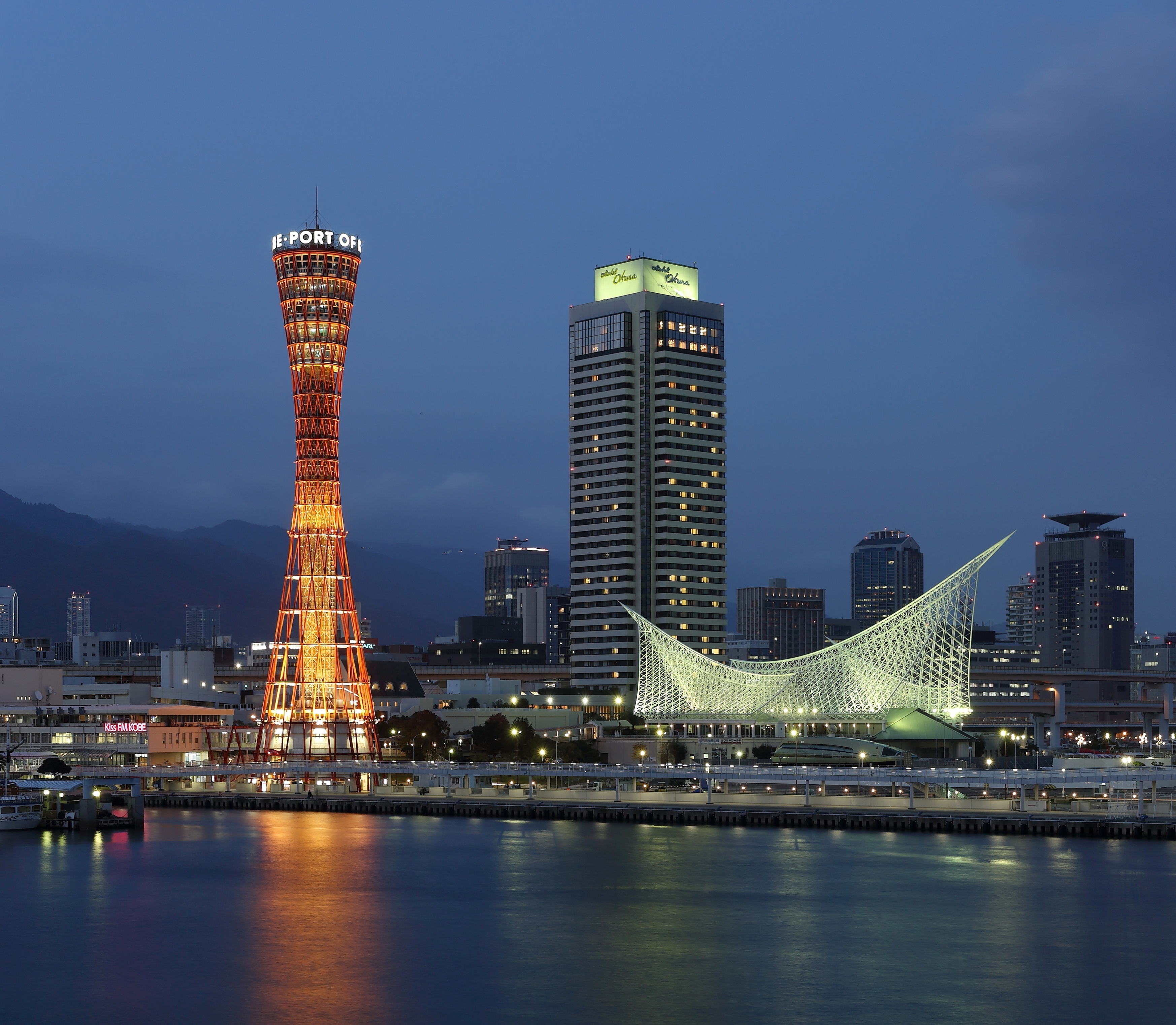
Kobe Port Tower beside the Maritime Museum — Martin Falbisoner, CC BY-SA 4
Notable Places in Anpanman Kobe
The Museum Floor
The museum floor is the heart of Anpanman Kobe, a second-floor world of play spaces, stages and workshops where the characters live. Children climb through the rooms, meet Anpanman and his friends, and watch the stage shows where the hero appears in person. The floor is designed for children under school age, and its rooms are sized for small hands and small feet. The museum floor is the reason families come, and its play spaces are its soul.
The Shopping Mall
The shopping mall on the ground floor is the public half of Anpanman Kobe, and anyone may enter it without a ticket. Its shops sell the character’s goods, from toys to lunch boxes, and its bakery sells the buns shaped like Anpanman’s face. The mall is the place to browse, to eat and to buy the souvenir, and it is open to the whole city. The mall is the everyday face of the museum, and its shops are its welcome.
The Stage
The stage in the museum hosts the performances where Anpanman and his friends appear in person, and it is the most exciting room for small children. The shows are short, bright and musical, and the characters greet the audience at the end. The stage is the place where the picture books come alive, and the children’s faces in the audience are the best part of the show. The stage is the theatre of Anpanman Kobe, and its performances are its magic.
The Bakery
The bakery in the mall sells buns shaped like the characters, and Anpanman’s face is the most loved of them. The buns are the taste of the museum, and families buy them to eat on the waterfront or to take home. The bakery is small, and its queues are long on busy days, and its buns sell out. The bakery is the most delicious part of Anpanman Kobe, and its Anpanman bun is its signature.

Buns shaped like Anpanman and his friends — Takanori Nakanowatari, CC BY 2
Baikinman’s Secret Base
Baikinman’s Secret Base is the play area devoted to the villain of the stories, and it is the children’s favourite corner of the museum. The base is a maze of tunnels and rooms where children can play at being the germ man and his friends, and its events change with the seasons. The base shows that even the villain has a place in the museum, and that the stories need him. The base is the mischief of Anpanman Kobe, and its tunnels are its fun.
The Waterfront Promenade
The waterfront promenade outside Anpanman Kobe runs along the bay, and it is the place to walk after the museum. The promenade looks out over the water toward the Akashi Strait, and the Port Tower rises to the east, and families stroll here with ice cream and buns from the bakery. The promenade is the open air of the museum day, and its views are its reward. The promenade is the bay at the museum’s door, and its walk is the end of the visit.

The Mosaic Ferris wheel at Harborland by night — Brett Fagan, CC0
The umie Mall
The umie mall stands beside Anpanman Kobe, opened at the same time in 2013, and it is the larger shopping world of Harborland. Its shops and restaurants serve the families who visit the museum, and its waterfront terraces look over the bay. The mall and the museum were built together, and they work together: the museum brings the families, and the mall feeds and shops them. The umie mall is the neighbour of Anpanman Kobe, and its terraces are its view.

Harborland (Port of Kobe) 20150920-4 — CC BY-SA 4
Frequently Asked Questions About Anpanman Kobe
When did Anpanman Kobe open?
Anpanman Kobe opened on 19 April 2013, as the first Anpanman museum in the Kansai region and the fourth in Japan. It is the newest of the five Anpanman museum complexes in the country.
Who created Anpanman?
Anpanman was created by Takashi Yanase, and his first comic appeared in October 1973. The television anime Soreike! Anpanman began broadcasting on 3 October 1988.
Is the shopping mall free to enter?
Yes, the ground-floor mall is free to enter, and anyone may browse its shops and eat in its restaurants without a ticket. Only the museum on the second floor needs a timed ticket.
How do I get to Anpanman Kobe from Sannomiya?
Take a train from Sannomiya to Harborland, a ride of a few minutes, then walk a short distance through the malls to the museum. The City Loop bus also stops near the waterfront.
What is the best time to visit Anpanman Kobe?
A weekday morning is the quietest time, since weekends and school holidays are the busiest. The museum is indoors, so it suits rainy days, and summer brings the water play areas to life.
Do I need to book tickets in advance?
Yes, the museum uses timed tickets, and the popular times sell out on weekends and holidays. Book online through the museum’s official site before the day, and check its calendar for full days.
Verified
- Anpanman Kobe is in Harborland, Chuo Ward, Kobe, at 1-6-2 Higashikawasaki-cho, and its coordinates are 34.6786/135.185. Checked 21 November 2026.
- The museum opened on 19 April 2013, as the first Anpanman museum in Kansai and the fourth in Japan. Checked 21 November 2026.
- The ground floor is a shopping mall with free entry, and the second floor is the museum, entered with a ticket. Checked 21 November 2026.
- Anpanman was created by Takashi Yanase, and the first comic appeared in October 1973. Checked 21 November 2026.
- The anime Soreike! Anpanman first aired on 3 October 1988. Checked 21 November 2026.
- The umie mall beside the museum opened at the same time, in 2013. Checked 21 November 2026.
- Coordinates 34.6786/135.185 and Wikidata Q11589733 for Anpanman Kobe were verified through the Wikidata API on 21 November 2026. Checked 21 November 2026.
Sources
- Wikipedia, Anpanman — https://en.wikipedia.org/wiki/Anpanman — for the character, Takashi Yanase and the first comic of 1973.
- Wikipedia, Soreike! Anpanman — https://en.wikipedia.org/wiki/Soreike!_Anpanman — for the anime that began on 3 October 1988.
- Kobe Anpanman Children’s Museum and Mall, official site — https://www.kobe-anpanman.jp/ — for the opening date, the two-floor structure and ticket booking.
- Japan National Tourism Organization, Kobe — https://www.japan.travel/en/spot/ — for Harborland and the Kobe waterfront.
- Wikipedia, Harborland — https://en.wikipedia.org/wiki/Harborland — for the waterfront quarter and the umie mall of 2013.
Unverified
- Ticket prices and opening hours for the museum were not checked directly against the official site in this round, so no prices or hours are given in this article.
- The report that the umie mall beside the museum would close temporarily for renovation from late January comes from a press report of November 2026 and could not be confirmed, so the article states only that the mall opened in 2013.
- The exact calendar of seasonal events, including the summer water play and the Christmas shows, changes each year and was not checked against the museum’s event page in this round.
- The claim that Kobe is the newest of the five Anpanman complexes comes from the Vietnamese article and could not be checked against the operator’s own list in this round.
Illustrations
- Hero: Kobe Anpanman Children’s Museum & Mall in 2014-2-22 No,1. Free image: https://upload.wikimedia.org/wikipedia/commons/0/0a/Kobe_Anpanman_Children%27s_Museum_%26_Mall_in_2014-2-22_No%2C1.JPG — CC BY-SA 3.
- In body, The Waterfront Promenade: Harborland (Port of Kobe) 20141008-3. Free image: https://upload.wikimedia.org/wikipedia/commons/a/a1/Harborland_%28Port_of_Kobe%29_20141008-3.JPG — CC BY-SA 4.
- In body, The umie Mall: Harborland (Port of Kobe) 20150920-4. Free image: https://upload.wikimedia.org/wikipedia/commons/9/94/Harborland_%28Port_of_Kobe%29_20150920-4.JPG — CC BY-SA 4.
- In body, The Waterfront Promenade: Kobe waterfront (6453248919). Free image: https://upload.wikimedia.org/wikipedia/commons/2/20/Kobe_waterfront_%286453248919%29.jpg — CC BY 2.
- In body, Meriken Park: Meriken Park on the Kobe waterfront. Free image: https://upload.wikimedia.org/wikipedia/commons/e/e5/2022_Kobe_Meriken_Park_001.jpg — Naokijp, CC BY-SA 4.
- In body, The City Loop bus: The City Loop bus near the waterfront. Free image: https://upload.wikimedia.org/wikipedia/commons/f/f3/Kobe_City_Loop_Bus.JPG — Sho Horiuchi, CC BY-SA 3.
- In body, Kobe Port Tower: Kobe Port Tower beside the Maritime Museum. Free image: https://upload.wikimedia.org/wikipedia/commons/1/1c/Kobe_Port_Tower_and_Maritime_Museum%2C_November_2016.jpg — Martin Falbisoner, CC BY-SA 4.
- In body, The Bakery: Buns shaped like Anpanman and his friends. Free image: https://upload.wikimedia.org/wikipedia/commons/9/97/Anpanman1_%28129318700%29.jpg — Takanori Nakanowatari, CC BY 2.
- In body, The Mosaic Ferris wheel: The Mosaic Ferris wheel at Harborland by night. Free image: https://upload.wikimedia.org/wikipedia/commons/0/00/Kobe%27s_Harborland%2C_Hyogo%2C_Japan_–_Night_View_of_Mosaic_Ferris_Wheel.jpg — Brett Fagan, CC0.