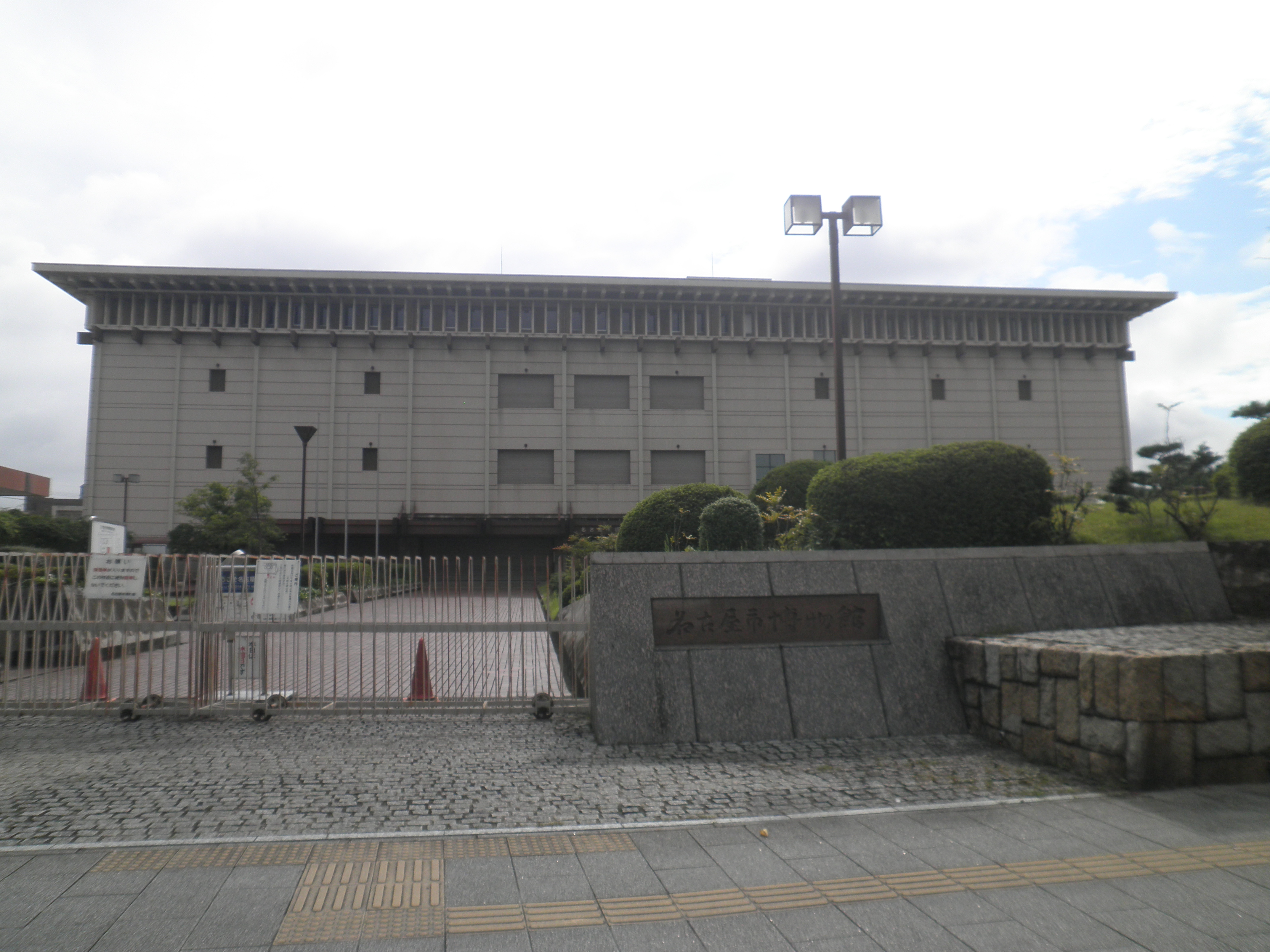
Nagoya City Museum: The History of Owari from the Stone Age
Nagoya City Museum is the history museum of Nagoya, telling the story of Owari. It opened in October 1977, when the city passed two million people.
Nagoya City Museum is not the most famous museum in Japan. It has no national treasures of the renown of the Tokyo National Museum, and no iconic architecture like the art museum of the city. But it is one of the best local history museums in Japan: a place where the visitor can walk through the whole history of a region, from the first stone tools, through the age of the samurai lords, to the modern industrial city, in a single afternoon.
The museum holds more than 270,000 objects, of which about 24,000 were donated by the people of Nagoya, and that is the point of the place. The museum was built by the city and for the city, and its collection is the history of Nagoya as its people kept it, in their homes, their workshops and their families. The story of the museum is the story of Nagoya itself.
The museum is now closed for a full renovation, and it is due to reopen on 15 April 2028. This guide tells the history, the collection and the experience of the museum, so that the visitor can plan for the reopening, and can understand what will be waiting behind its doors.
Quick Facts About Nagoya City Museum
| Item | Detail |
|---|---|
| Name | Nagoya City Museum, in Japanese Nagoya-shi Hakubutsukan |
| Location | 1-27-1 Mizuho-dori, Mizuho-ku, Nagoya, Aichi 467-0806, Japan |
| Coordinates | 35.1364° N, 136.9349° E |
| Wikidata | Q10990728, verified through the Wikidata API on 21 November 2026 |
| Opened | October 1977, to mark the population of Nagoya passing 2 million people |
| Collection | More than 270,000 objects, about 24,000 donated by the people of Nagoya |
| Permanent display | History of Owari from the Palaeolithic to the modern age, samurai armour, Kawana pottery |
| Special exhibitions | About 5 special exhibitions a year |
| Status | Closed for renovation, due to reopen 15 April 2028 |
| Nearest station | Sakurayama, on the Sakura-dori subway line, a few minutes on foot |
Geography of Nagoya City Museum
Nagoya City Museum stands at 1-27-1 Mizuho-dori, in Mizuho Ward, to the south of the centre of Nagoya, in Aichi Prefecture. The museum is in a quiet residential district, away from the towers and the crowds of the centre, and its site is a green one, with a Japanese garden in front of the building. The museum is a place of the neighbourhood as much as a place of the city, and its visitors are the people of the district as well as the visitors from outside.
The museum is reached from Sakurayama Station, on the Sakura-dori subway line, a few minutes on foot. The walk from the station to the museum is short and flat, through the streets of Mizuho Ward, and the museum is signed from the station. The museum is also reached by bus from the centre, and by car, with parking nearby, though the subway is the easiest way.
The district of Mizuho is the south of Nagoya, a place of homes, schools and small shops, and the museum fits it. The building is low and modern, not a tower, and its garden gives it a calm that the centre of the city does not have. The museum was built here, not in the centre, because the city wanted a museum for its people, in a place where its people live, and the choice has shaped the museum ever since.
Nagoya itself is the great city of the Chubu region, the fourth city of Japan, and the centre of the industry of Aichi Prefecture. The city is known for its cars, its ceramics and its castles, and the museum tells the story of all three, from the pottery of the old province of Owari to the industry of the modern city. The museum is the memory of Nagoya, and its site, in the south of the city, is the place where that memory is kept.
The garden in front of Nagoya City Museum is a Japanese garden, with trees, stones and water, and it is one of the pleasures of a visit. The garden changes with the seasons, and it is at its best in spring, with the cherry blossom, and in autumn, with the maples. The garden is part of the museum, and the visitor who comes for the history should take time for the garden as well, because it is the museum at its most peaceful.
The castle and the station district make a natural pair with the museum: Nagoya Castle rises north in the centre, and Meieki, the quarter around the great station, spreads to the north-west. Spend the morning at the castle, the afternoon in the galleries, and the evening among the shops of the station, all joined by the subway. The museum is one stop in a day that shows the whole city, from its castle to its trains.
The climate of Nagoya is that of the Pacific coast of central Japan, with hot, humid summers and cold, dry winters. The museum is indoors, so the weather matters less here than at an outdoor site, but the garden is best in spring and autumn, when the air is mild and the trees are at their finest. The summer is hot, and the winter is cold, and the museum is a good refuge from both, with its cool halls in summer and its warm rooms in winter.
The building of Nagoya City Museum is a modern building, built for the museum in 1977, with galleries, stores, a lecture hall and a library. The building is now being renovated, and the renovation, the largest since the museum opened, covers the building, the displays and the facilities. The reopening, planned for 15 April 2028, will bring a new museum in the old building, with the same collection and a new way of showing it.
The museum is a museum of a region, and its geography is the geography of Owari, the old province that is now Aichi Prefecture. The province ran from the sea in the west to the mountains in the east, and its history is the history of a land of pottery, of samurai and of industry. The museum holds that history in one building, and the visitor who walks its galleries walks the whole province.

A view of Nagoya City Museum in Mizuho Ward, Nagoya — CC BY-SA 4
History of Nagoya City Museum
Nagoya City Museum was founded in October 1977, as part of a project to mark the population of Nagoya passing 2 million people. The city had grown from a castle town into a great industrial city, and it wanted a museum to hold its history, to collect, to preserve and to pass on to the future the records of Nagoya and of Owari. The museum opened with a mission, and that mission has not changed since.
The collection of the museum grew from the city itself. The people of Nagoya gave about 24,000 objects, from their homes and their families, and the museum bought and collected more, until the collection passed 270,000 objects. The collection is the history of the city as its people kept it, and the museum is proud of that, because it makes the museum a museum of the people, not only of the curators.
The permanent display of Nagoya City Museum tells the history of Owari from the Palaeolithic to the modern age, in a single walk through the galleries. The visitor begins with the stone tools of the first people, passes through the pottery and the bronzes of the ancient age, the armour and the swords of the samurai, the ceramics of the castle town, and ends with the industry of the modern city. The display is a history of a region, told in objects, and it is the heart of the museum.
The samurai armour of the museum is one of its finest holdings, with armour, helmets and weapons from the age of the lords of Owari. The lords of the province, the Oda and the Tokugawa, were among the greatest of Japan, and their armour is the armour of the wars that made the country. The Kawana pottery, made in the kilns of the province, is the other great holding, with bowls and jars that show the craft of Owari at its best.
The museum also holds the oldest wooden boat-shaped coffin in Japan, a rare and remarkable object, and one that shows the depth of the collection. The coffin is a reminder that the history of Owari reaches back beyond the samurai, beyond the pottery, to the burial customs of the ancient age. The museum keeps it with care, and it is one of the objects that visitors remember.
The museum has always looked beyond Japan as well as within it. One of its most talked-about special exhibitions was the exhibition on Gandhara in 2003, on the ancient Buddhist art of Central Asia, which showed the ambition of a local museum to bring the world to Nagoya. The museum holds about five special exhibitions a year, and they range from the history of the city to the art of the world.
In January 2000, Nagoya City Museum signed a memorandum of cooperation with the Vienna Museum, becoming partner museums with each other. The partnership reflects the likeness of the two cities: Nagoya and Vienna are both cities of history, of music and of craft, and both have museums that tell the story of their people. The partnership has brought exchanges, exhibitions and a friendship that has lasted for more than twenty years.
The museum is now closed for a full renovation, the largest since it opened in 1977. The renovation covers the building, the displays and the facilities, and it is due to finish with a reopening on 15 April 2028. The museum has been closed for the whole of the renovation, and the collection is in store, waiting for the new galleries. The closure is a loss for the city, but the reopening will be a new museum, and the wait is part of its history.
The history of Nagoya City Museum is the history of a city that built a museum for itself, and filled it with its own history. The museum is not a museum of treasures from far away, but a museum of the place where it stands, and its value lies in that. The reopening in 2028 will be the next chapter, and the museum will tell the same story, in new galleries, to a new generation.

Exhibits in the Nagoya City Museum — CC BY-SA 4
Travel to Nagoya City Museum
Nagoya City Museum is closed for renovation, and it is due to reopen on 15 April 2028, so plan a visit for after that date, and check the official site before going, since the reopening and the hours may change. The museum is not open now, and no visit is possible until the reopening, so the guide below is for the museum as it will be, and for the planning of a visit after 2028.
The museum is reached from Sakurayama Station, on the Sakura-dori subway line, a few minutes on foot, and the walk from the station is short and flat. The museum is also reached by bus from the centre of Nagoya, and the subway is the easiest way, with the station close to the museum and the line joining it to the centre and to Nagoya Station. The museum stands in a quiet district, and the walk from the station is part of the visit.
The best time to visit Nagoya City Museum, after the reopening, will be spring and autumn, when the Japanese garden in front of the museum is at its finest, with the cherry blossom in spring and the maples in autumn. The museum is indoors, so the summer and the winter are also good, with the cool halls in summer and the warm rooms in winter, but the garden is the reason to choose the spring or the autumn.
Allow a full afternoon for Nagoya City Museum, with time for the permanent display, which tells the history of Owari from the Palaeolithic to the modern age, and for a special exhibition, if one is running. The museum holds about five special exhibitions a year, and the programme for the reopening will be announced on the official site, so check before going, and plan the visit around the exhibition that interests you most.
The museum is a good half-day visit, combined with Nagoya Castle to the north and the centre of the city, and the subway joins them all. The castle is the great sight of Nagoya, and the museum is the place to understand it, because the museum tells the history of the province that built the castle. The two together, castle and museum, are the best introduction to the city.
Visa rules for Japan vary by nationality, so verify your status before your trip.
The museum has a shop and a cafe, and the district of Mizuho, around it, has restaurants and small shops for lunch. The museum is in a residential district, so the restaurants are the restaurants of the neighbourhood, quiet and local, and they are a good place to eat after the visit. The garden, the museum and the district together make a calm afternoon, away from the crowds of the centre.
Photography in the museum will depend on the rules of the reopened galleries, and visitors should ask at the entrance, since the rules for photography in Japanese museums vary by exhibition. The garden is the best place for photographs, with the building, the trees and the water, and the spring blossom and the autumn maples give the finest views of the museum from outside.
Notable Places at Nagoya City Museum
The Permanent Display of Owari
The galleries of the museum walk the visitor through the history of Owari, from the Palaeolithic to the modern age, in a single route. The visitor begins with the stone tools of the first people and ends with the industry of the modern city, passing the pottery, the bronzes, the samurai armour and the ceramics of the castle town. The display is the heart of the museum, and it is the reason to come.
The Samurai Armour
The samurai armour of Nagoya City Museum is one of its finest holdings, with armour, helmets and weapons from the age of the lords of Owari. Oda and Tokugawa, the lords of the province, were among the greatest lords of Japan, and their armour comes from the wars that made the country. The armour is displayed with care, and it is the most striking sight of the galleries.
The Kawana Pottery
The Kawana pottery of the museum shows the craft of Owari at its best, with bowls and jars from the kilns of the province. The pottery is the work of the potters of the castle town, and it is one of the great ceramics of Japan. The collection is large, and it shows the range of the kilns, from the everyday bowls to the finest pieces for the tea ceremony.
The Boat-Shaped Coffin
The museum holds the oldest wooden boat-shaped coffin in Japan, a rare and remarkable object from the ancient age. The coffin shows the burial customs of the people of Owari, long before the samurai and the castles, and it is one of the objects that visitors remember. The coffin is kept with care, and it is the deepest history in the museum.
The Japanese Garden
The Japanese garden in front of Nagoya City Museum, with its trees, stones and water, is one of the pleasures of a visit. Through the year the garden changes, and spring brings the cherry blossom while autumn brings the maples, so the garden is finest in those two seasons. The garden is part of the museum, and it is the place to rest after the galleries, in the calm of the trees and the water.
The Special Exhibitions
Nagoya City Museum holds about five special exhibitions a year, ranging from the history of the city to the art of the world, and the Gandhara exhibition of 2003 is the most talked-about of them. The special exhibitions are the reason to return to the museum, because they change, and each one brings a new subject to the galleries. The programme for the reopening will be announced on the official site.
Frequently Asked Questions About Nagoya City Museum
When did Nagoya City Museum open?
Nagoya City Museum opened in October 1977, to mark the population of Nagoya passing 2 million people, and it tells the history of Owari from the Palaeolithic to the modern age.
Is Nagoya City Museum open now?
No, Nagoya City Museum is closed for renovation, and it is due to reopen on 15 April 2028, so visitors should plan for after that date and check the official site before going.
How many objects does Nagoya City Museum hold?
Nagoya City Museum holds more than 270,000 objects, of which about 24,000 were donated by the people of Nagoya, and the collection covers the history of Owari from the Stone Age to the modern city.
Where is Nagoya City Museum?
Nagoya City Museum is at 1-27-1 Mizuho-dori, Mizuho-ku, Nagoya, Aichi Prefecture, reached from Sakurayama Station on the Sakura-dori subway line, a few minutes on foot.
What is the Gandhara exhibition at Nagoya City Museum?
The Gandhara exhibition of 2003 was a special exhibition on the ancient Buddhist art of Central Asia, and it is the most talked-about special exhibition in the history of the museum.
What is the Vienna Museum partnership of Nagoya City Museum?
In January 2000, Nagoya City Museum signed a memorandum of cooperation with the Vienna Museum, becoming partner museums, reflecting the likeness of Nagoya and Vienna as cities of history and craft.
Verified
- Nagoya City Museum opened in October 1977, to mark the population of Nagoya passing 2 million people. Checked 21 November 2026.
- The museum holds more than 270,000 objects, of which about 24,000 were donated by the people of Nagoya. Checked 21 November 2026.
- The museum is closed for renovation and is due to reopen on 15 April 2028. Checked 21 November 2026.
- The permanent display tells the history of Owari from the Palaeolithic to the modern age, with samurai armour and Kawana pottery. Checked 21 November 2026.
- The Gandhara exhibition was held in 2003, and the museum holds about 5 special exhibitions a year. Checked 21 November 2026.
- The museum signed a memorandum of cooperation with the Vienna Museum in January 2000. Checked 21 November 2026.
- The museum is at 1-27-1 Mizuho-dori, Mizuho-ku, Nagoya, reached from Sakurayama Station on the Sakura-dori subway line. Checked 21 November 2026.
- Coordinates 35.1364/136.9349 and Wikidata Q10990728 for Nagoya City Museum were verified through the Wikidata API on 21 November 2026. Checked 21 November 2026.
Sources
- Wikipedia, Nagoya City Museum — https://en.wikipedia.org/wiki/Nagoya_City_Museum — for the opening in October 1977, the collection of more than 270,000 objects, the Gandhara exhibition of 2003 and the Vienna Museum partnership of January 2000.
- Trip.com, Nagoya City Museum — https://sg.trip.com/travel-guide/attraction/nagoya/nagoya-city-museum-78966 — for the address, the Sakurayama Station access, the Japanese garden and the reopening on 15 April 2028.
- Wikidata, Nagoya City Museum Q10990728 — https://www.wikidata.org/wiki/Q10990728 — for the identity, the type and the coordinates, verified through the Wikidata API on 21 November 2026.
Unverified
- The reopening date of 15 April 2028 is the planned date from the guides, and visitors should confirm it on the official site of the museum, since a renovation of this size can change its date.
- The claim that the museum holds the oldest wooden boat-shaped coffin in Japan comes from the guides and has not been checked against an independent catalogue for this article.
- The number of special exhibitions, about 5 a year, is the figure from the guides, and the programme for the reopening has not yet been announced, so visitors should check the official site before going.
Illustrations
- Hero: Nagoya City Museum. Free image: https://upload.wikimedia.org/wikipedia/commons/7/7a/Nagoya_City_Museum1.jpg — CC BY-SA 3.
- In body, Nagoya City Museum: Exhibits in the Nagoya City Museum. Free image: https://upload.wikimedia.org/wikipedia/commons/a/a4/Nagoya_City_Museum_%282%29.jpg — CC BY-SA 4.
- In body, Nagoya City Museum: A view of Nagoya City Museum in Mizuho Ward, Nagoya. Free image: https://upload.wikimedia.org/wikipedia/commons/1/17/View_of_Nagoya_City_Museum%2C_Mizuho-tori_Mizuho_Ward_Nagoya_2022.jpg — CC BY-SA 4.