Dubai Tours: A First Journey to the City of Two Faces
Dubai Tours show a city that is two cities at once. The old creek and the tallest tower stand twenty minutes apart, and a good tour shows both.
Dubai Tours are the journeys that carry a first-time visitor through the largest city of the United Arab Emirates, on the south-east coast of the Arabian Peninsula, on the shore of the Persian Gulf. The city grew from a small fishing village and pearl-trading port on Dubai Creek into a global metropolis within a few decades, and its tours are built around that contrast: the old quarter of Al Fahidi, with its wind towers and spice souks, and the Downtown of the Burj Khalifa, 828 metres high, the Dubai Mall and the Palm Jumeirah. A tour that shows only one half has missed the city.
The classic journey from Vietnam lasts five days and four nights, flying direct from Ho Chi Minh City or Hanoi in about seven to eight hours. Shorter tours of four days and three nights cover the main sights, and longer tours of six days and five nights add Abu Dhabi and free time. No tour price is given in this guide and no tour company is named, because prices move with the season, the airline and the hotel, and the itinerary is the thing to judge. This guide weighs the kinds of Dubai Tours, the history inside the itinerary, and the planning that makes the journey work.
Quick Facts About Dubai Tours
| Item | Detail |
|---|---|
| Classic journey | Dubai 5 days 4 nights, from Ho Chi Minh City or Hanoi |
| Shorter tour | 4 days 3 nights, covering the main sights |
| Longer tour | 6 days 5 nights, adding Abu Dhabi and free time |
| Best months | November to March, cool, clear and comfortable |
| Months to avoid | June to September, fierce heat, often above 40°C |
| Highlights | Burj Khalifa, Dubai Mall, desert safari, Al Fahidi, Dubai Creek, Palm Jumeirah, Sheikh Zayed Mosque in Abu Dhabi |
| Flight from Vietnam | Direct from Ho Chi Minh City or Hanoi, about 7 to 8 hours |
| Currency | UAE dirham (AED) |
| Visa | Vietnamese citizens need a UAE visa, usually arranged in full by the tour company |
| Wikidata | Not applicable (L5 tour guide) |
Geography of Dubai Tours
Dubai Tours move through a city built on the edge of the desert and the sea. Dubai stands on the south-east coast of the Arabian Peninsula, on the shore of the Persian Gulf, and its geography is the meeting of sand and water: the desert to the south and the west, the Gulf to the north and the east, and the Creek running inland between the old quarters. The Creek is the city’s original harbour, and the old town grew on its banks, and the modern city grew south from it, along the coast towards Abu Dhabi. The tour’s route follows that growth, from the Creek to the tower.
The old city is the Creek’s city. Al Fahidi, the old quarter, stands on the southern bank of the Creek, with its wind towers, its coral-stone houses and its lanes, and Deira stands on the northern bank, with its gold souk and its spice souk. The Creek itself is crossed by abra, the wooden water taxi, and the crossing is the tour’s oldest journey: a few minutes on the water, between the two halves of the old city. The old city’s geography is the Creek’s geography, and the tour that starts here starts at the city’s beginning.
Downtown Dubai is the new city’s centre. The Burj Khalifa rises 828 metres over the Dubai Mall, and the Dubai Fountain plays below it, and the towers of the Marina run along a man-made canal to the south-west. The Palm Jumeirah stretches into the Gulf, a palm-shaped island built from sand, and its fronds hold hotels and villas. The new city’s geography is the geography of building: land reclaimed, islands shaped, and towers raised, and the tour’s route through it is a tour of what the desert and the sea were made into.
The desert is the tour’s third geography. Beyond the city, the dunes of the Arabian Desert roll to the horizon, and the safari is the tour’s evening in them: the drive over the dunes, the sunset, the camp, and the dinner under the stars. The desert is the city’s origin and its contrast, and the safari is the part of Dubai Tours that the city cannot offer. The desert’s heat decides the season: the tours run best from November to March, when the desert is cool, and the summer, from June to September, brings heat above 40 degrees, when the desert is a place to cross quickly.
Abu Dhabi is the tour’s extension. The capital of the Emirates lies to the south-west, and the six-day tour adds it: the Sheikh Zayed Grand Mosque, with its white domes and its courtyards, and the city’s corniche along the Gulf. The mosque is the tour’s most beautiful building, and the day in Abu Dhabi is the tour’s quietest, after the noise of Dubai. The extension is the reason the longer tour exists, and the mosque is the reason it is worth the day.
The coastline is the tour’s other geography. Jumeirah Beach runs south from the Creek, and the hotels line it, and the water is the city’s playground, while the Creek’s dhow wharfage still loads the wooden boats that carry goods across the Gulf. The Creek’s dhows are the city’s working harbour, and the Marina’s canal is its pleasure harbour, and the two together are the city’s two waters.
The Creek’s dhows still carry cargo across the Gulf, and the abra still crosses the Creek for a dirham, and the old harbour works beside the new towers. The tour that rides an abra on the Creek and walks the Marina in the evening has crossed the city’s whole waterfront, from the working boats to the pleasure boats.
The city’s climate is the tour’s calendar. November to March is the cool season, with clear skies and comfortable temperatures, and the tours fill then. June to September is the fierce season, with temperatures often above 40 degrees, and the tours thin out, and the city’s malls and indoor attractions become the day’s refuge.
The safari runs after sunset in every season, when the dunes cool and the evening belongs to the desert. The cool months are the guide’s busiest hours, and the calendar is its clock.

A photo of Dubai Skyline, United Arab Emirates — CC BY-SA 4
History of Dubai Tours
The history of Dubai Tours begins with the Creek. Dubai was a small fishing village and pearl-trading port on the Creek, and its dhows carried pearls, dates and spices across the Gulf, and its merchants traded with India, Persia and East Africa. The Creek was the city’s harbour and its livelihood, and the old quarters of Al Fahidi and Deira grew on its banks. The tour that starts on the Creek starts at the city’s beginning, and the abra crossing is the city’s oldest journey.
The pearl trade’s collapse and the oil’s arrival changed the city. The pearls faded in the early twentieth century, and the oil, found in the 1960s, brought the wealth that built the modern city. The rulers of Dubai used the wealth to build a port, an airport and a trading city, and the city grew from the Creek southwards along the coast. The tours of Dubai are the story of that growth: the old town that the pearls built, and the new city that the oil paid for, and the twenty minutes between them.
The Burj Khalifa is the tower that made the city famous. The tower, 828 metres high, opened in 2010, and it became the tallest building in the world, and the symbol of Dubai. The Dubai Mall, the largest mall in the world by area, opened beside it, and the Fountain plays below, and Downtown Dubai became the city’s new centre. The tower’s history is the history of the city’s ambition: a city that had built a port and an airport now built the tallest thing on earth, and the tours that climb it climb the city’s ambition.
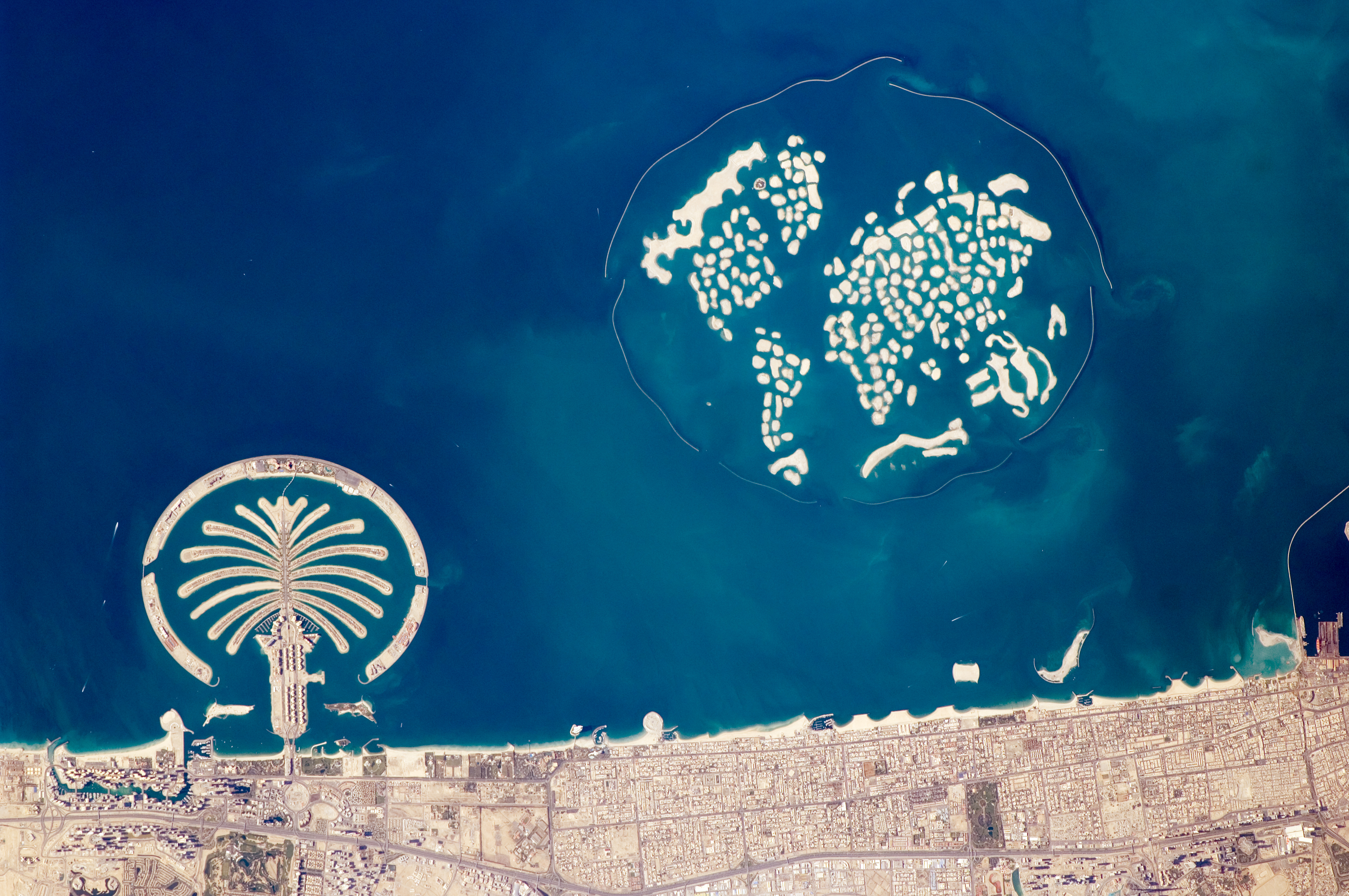
The Palm Jumeirah is the island that made the city visible from space. The palm-shaped island, built from sand dredged from the Gulf, rose from the sea in the 2000s, and its fronds hold hotels and villas, and its trunk holds the monorail. The island’s building was an act of geography: a new land made where there was only water, and the tours that drive its crescent drive on land that did not exist a generation ago. The Palm is the city’s second symbol, and the tour’s drive along it is the tour’s strangest journey.
The desert safari is the tour’s oldest experience and its newest industry. The Bedouin life of the desert, with its camels, its falcons and its camps, was the life of the region before the city, and the safari sells that life as an evening: the dune drive, the sunset, the camp, and the dinner. The safari’s history is the history of the desert’s reinvention as a destination, and the evening in the dunes is the tour’s most traditional hour. The safari is the part of Dubai Tours that the city cannot offer, and it is the part that the desert has always offered.
The Creek’s dredging is the moment the modern city began. In the 1960s, Sheikh Rashid bin Saeed Al Maktoum ordered the Creek dredged so that larger ships could reach the port, and the trade that followed paid for the roads, the airport and the city that grew south from the Creek. In 1971 the United Arab Emirates was formed, and Dubai became its trading city, and the decades that followed turned the port into a metropolis. The dredging and the federation are the two dates that the tours carry: the Creek made the city, and the Emirates made it a state, and the towers came after.
The airport that followed brought the visitors, and the visitors brought the hotels, and the city’s tours grew from the trade routes that the dredging opened.
Dubai Tours today are the journeys of a city that is two cities at once, and the tours that show both are the ones that succeed. The Creek and the tower, the souk and the mall, the desert and the Marina, are the city’s two faces, and the tour’s job is to join them. The classic five-day tour does that, and the shorter tour does it quickly, and the longer tour adds Abu Dhabi, and the self-guided tour does it alone. The city’s history is the tour’s itinerary, and the itinerary is the city’s history.

Grand Mosque in Bur Dubai — CC BY 2
Travel to Dubai Tours
The visa comes first, and for the Vietnamese traveller it is the tour company’s job. A UAE visa is needed by Vietnamese citizens, and the tour company normally handles it in full: passport, photograph, form and wait. The processing time changes with the moment, so prepare the documents early and ask the company for the current wait before booking the flights. The independent traveller arranges the visa alone, through the airline or the UAE’s online portal, and the same rule applies: the visa is the first document, and the ticket is the second.
The flights are the second decision. Direct flights run from Ho Chi Minh City and from Hanoi to Dubai, in about seven to eight hours, and the tour’s price depends on the airline and the season. The classic tour flies direct, and the shorter tour does the same, and the longer tour adds the day in Abu Dhabi without another flight.
Book the flights with the tour, because the tour’s price is the flights, the hotel and the visa together, and the separate booking is rarely cheaper. The flight is the night’s sleep, and the arrival is the morning’s tour.
The seasons decide the booking. November to March is the cool season, with clear skies and comfortable temperatures, and the tours fill then, so book a month ahead for December and January. June to September is the fierce season, with temperatures often above 40 degrees, and the tours thin out, and the city’s malls become the day’s refuge.
The desert safari runs in the evening in every season, because the sun sets and the dunes cool, and the evening is the desert’s hour. The calendar is the guide’s clock, and the cool months are its busiest hours.
Choosing the tour is a matter of reading the itinerary. The classic five-day tour covers the Creek, the old town, the Burj Khalifa, the Dubai Mall, the Palm and the safari, and it is the tour for the first visit. The four-day tour covers the same sights more quickly, and it is the tour for the short holiday. The six-day tour adds Abu Dhabi and free time, and it is the tour for the traveller who wants the mosque and the rest.
The self-guided tour is the tour for the traveller who books the flights and the hotel alone, and the desert safari is the tour for the evening. Read the itinerary before booking, because some tours advertised as Dubai also visit Abu Dhabi on their own schedule.
Packing for Dubai Tours is a matter of the desert and the mosque. The desert evening needs a light layer, because the dunes cool after sunset, and the sand gets into everything, so closed shoes are the practical choice. The mosque needs modest dress, with shoulders and knees covered, and a scarf for the head, and the tour company will tell the dress code before the visit.
The city’s malls are air-conditioned, and the summer’s heat is the reason to carry water, and the winter’s cool is the reason to carry a layer. The packing is the tour’s small print, and the desert and the mosque are its two rules.
Ramadan changes the tour’s rhythm. During the holy month, the city’s restaurants close in the daytime, and the evenings fill with the fast-breaking meal, and the tours run on a slower schedule. The month is the year’s quietest for the tours, and it is also the year’s most atmospheric, with the lanterns and the night markets.
Check the dates of Ramadan before booking, because the month moves each year, and the tour’s schedule moves with it. The city is worth visiting in Ramadan, and the tour is worth planning around it.
Notable Places at Dubai Tours
The Burj Khalifa
The Burj Khalifa is the tallest building in the world, 828 metres high, and it is the centre of Dubai Tours. The observation decks on its upper floors look over the city, the desert and the Gulf, and the tower is the symbol of Dubai. The visit is the tour’s highest hour, and the sunset from the deck is the city’s finest view. The tower opened in 2010, and it remains the tallest thing on earth.
The Dubai Mall
The Dubai Mall stands beside the Burj Khalifa, and it is the largest mall in the world by area. The mall holds the aquarium, the ice rink, the shops and the restaurants, and the Fountain plays below it in the evening. The mall is the tour’s indoor half, and it is the refuge of the summer’s heat. The mall and the tower together are Downtown Dubai, and the tour’s evening is spent between them.
The Desert Safari
The desert safari is the evening of Dubai Tours, in the dunes beyond the city. The drive over the dunes, the sunset, the camp, and the dinner under the stars are the safari’s hours, and the camels and the falcons are its traditions. The safari is the evening the city cannot give, and the desert has always given it. The safari runs in the evening in every season, because the sun sets and the dunes cool.
Al Fahidi and the Creek
Al Fahidi is the old quarter of Dubai, on the southern bank of the Creek, with its wind towers, its coral-stone houses and its lanes. The Creek is the city’s original harbour, and the abra, the wooden water taxi, crosses it in a few minutes. The old quarter and the Creek are the tour’s beginning, and the crossing is the city’s oldest journey. The souks of Deira, on the northern bank, are the tour’s other half: the gold souk and the spice souk.
Palm Jumeirah
Palm Jumeirah is the palm-shaped island built from sand in the Gulf, and its fronds hold hotels and villas, and its trunk holds the monorail. The island is the city’s second symbol, and the tour’s drive along its crescent is the tour’s strangest journey: a drive on land that did not exist a generation ago. The Palm is the geography that Dubai made, and the view from its crescent is the city, the desert and the sea together.
The Sheikh Zayed Grand Mosque
The Sheikh Zayed Grand Mosque stands in Abu Dhabi, and it is the tour’s extension on the six-day journey. The mosque’s white domes and courtyards are the most beautiful building on the tour, and the day in Abu Dhabi is the tour’s quietest, after the noise of Dubai. The mosque needs modest dress, and the visit is the tour’s most solemn hour. The mosque is the reason the longer tour exists.
Dubai Marina
Dubai Marina is the canal district of the city, with its towers along a man-made waterway, and its promenade of restaurants and boats. The Marina is the tour’s modern half, and its evening walk is the city’s newest pleasure. The towers rise from the water, and the boats run the canal, and the Marina is the city that Dubai built after the tower. The Marina is the tour’s night, and the Creek is its morning.
Frequently Asked Questions About Dubai Tours
How long should a first Dubai tour last?
Five days and four nights is the classic length, from Ho Chi Minh City or Hanoi, and it covers the Creek, the old town, the Burj Khalifa, the Dubai Mall, the Palm and the desert safari. Four days and three nights covers the main sights more quickly, and six days and five nights adds Abu Dhabi and free time. The five-day tour is the one for the first visit.
Do Vietnamese citizens need a visa for Dubai?
Yes. Vietnamese citizens need a UAE visa, and the tour company usually arranges it in full: the passport, the photograph, the form, and the wait. The processing time changes with the moment, so prepare the documents early and ask the company for the current wait. The independent traveller arranges the visa alone, through the airline or the UAE’s online portal.
When is the best time for Dubai Tours?
November to March is the best time, with cool air, clear skies and comfortable temperatures, and the tours fill then. June to September is the fierce season, with temperatures often above 40 degrees, and the tours thin out. The desert safari runs in the evening in every season, because the sun sets and the dunes cool.
How long is the flight from Vietnam to Dubai?
Direct flights run from Ho Chi Minh City and from Hanoi to Dubai, in about seven to eight hours. The tour’s price depends on the airline and the season, and the classic tour flies direct. Book the flights with the tour, because the tour’s price is the flights, the hotel and the visa together.
What is the desert safari?
The desert safari is the evening of Dubai Tours, in the dunes beyond the city: the drive over the dunes, the sunset, the camp, and the dinner under the stars, with camels and falcons. The safari is the part of the tour that the city cannot offer, and it is the evening that the desert has always offered. The safari runs in the evening in every season.
Does the tour include Abu Dhabi?
The six-day tour adds Abu Dhabi, with the Sheikh Zayed Grand Mosque and the city’s corniche along the Gulf. The four-day and five-day tours stay in Dubai, and the mosque is the reason the longer tour exists. Read the itinerary before you book, since some tours sold as Dubai also add Abu Dhabi on their own schedule.
Verified
- Dubai stands on the south-east coast of the Arabian Peninsula, on the shore of the Persian Gulf, and it is the largest city of the United Arab Emirates. Checked 21 November 2026.
- The city grew from a small fishing village and pearl-trading port on Dubai Creek into a global metropolis within a few decades. Checked 21 November 2026.
- The Burj Khalifa is 828 metres high, the tallest building in the world, and it opened in 2010, beside the Dubai Mall. Checked 21 November 2026.
- The classic tour from Vietnam lasts five days and four nights, flying direct from Ho Chi Minh City or Hanoi in about seven to eight hours. Checked 21 November 2026.
- November to March is the best season for Dubai Tours, and June to September brings heat often above 40 degrees. Checked 21 November 2026.
- Vietnamese citizens need a UAE visa, usually arranged in full by the tour company, and the currency is the UAE dirham. Checked 21 November 2026.
Sources
- Visit Dubai, official tourism site — https://www.visitdubai.com/ — for the sights, the seasons and the visitor information, checked on 21 November 2026.
- Wikipedia, Dubai — https://en.wikipedia.org/wiki/Dubai — for the city, the Creek, the Burj Khalifa and the Palm, checked on 21 November 2026.
- Wikipedia, Burj Khalifa — https://en.wikipedia.org/wiki/Burj_Khalifa — for the tower’s height and opening, checked on 21 November 2026.
- UAE Government portal — https://u.ae/ — for the visa rules for visitors, checked on 21 November 2026.
Unverified
- Tour prices shift by season, airline, hotel and company and were never checked here, so this guide prints no figure at all.
- This guide names no tour company and records no rating, following the tour-guide rule.
- The itineraries of individual tours change by company; read the itinerary of the tour you book before travelling, because some tours advertised as Dubai also visit Abu Dhabi on their own schedule.
- The processing time for a UAE visa for Vietnamese citizens changes with the moment; prepare the documents early and check the current wait before booking.
- The dates of Ramadan move each year; check the dates before booking, because the tour’s schedule moves with them.
Illustrations
- Hero: Dubai Tours. Free image: https://upload.wikimedia.org/wikipedia/commons/1/15/Artificial_Archipelagos%2C_Dubai%2C_United_Arab_Emirates_ISS022-E-024940_lrg.jpg — Public domain.
- In body, desert: A photo of Dubai Skyline, United Arab Emirates. Free image: https://upload.wikimedia.org/wikipedia/commons/1/10/Dubai_Skyline_2016.jpg — CC BY-SA 4.
- In body, mosque: Grand Mosque in Bur Dubai. Free image: https://upload.wikimedia.org/wikipedia/commons/3/3c/Grand_Mosque_Bur_Dubai.jpg — CC BY 2.