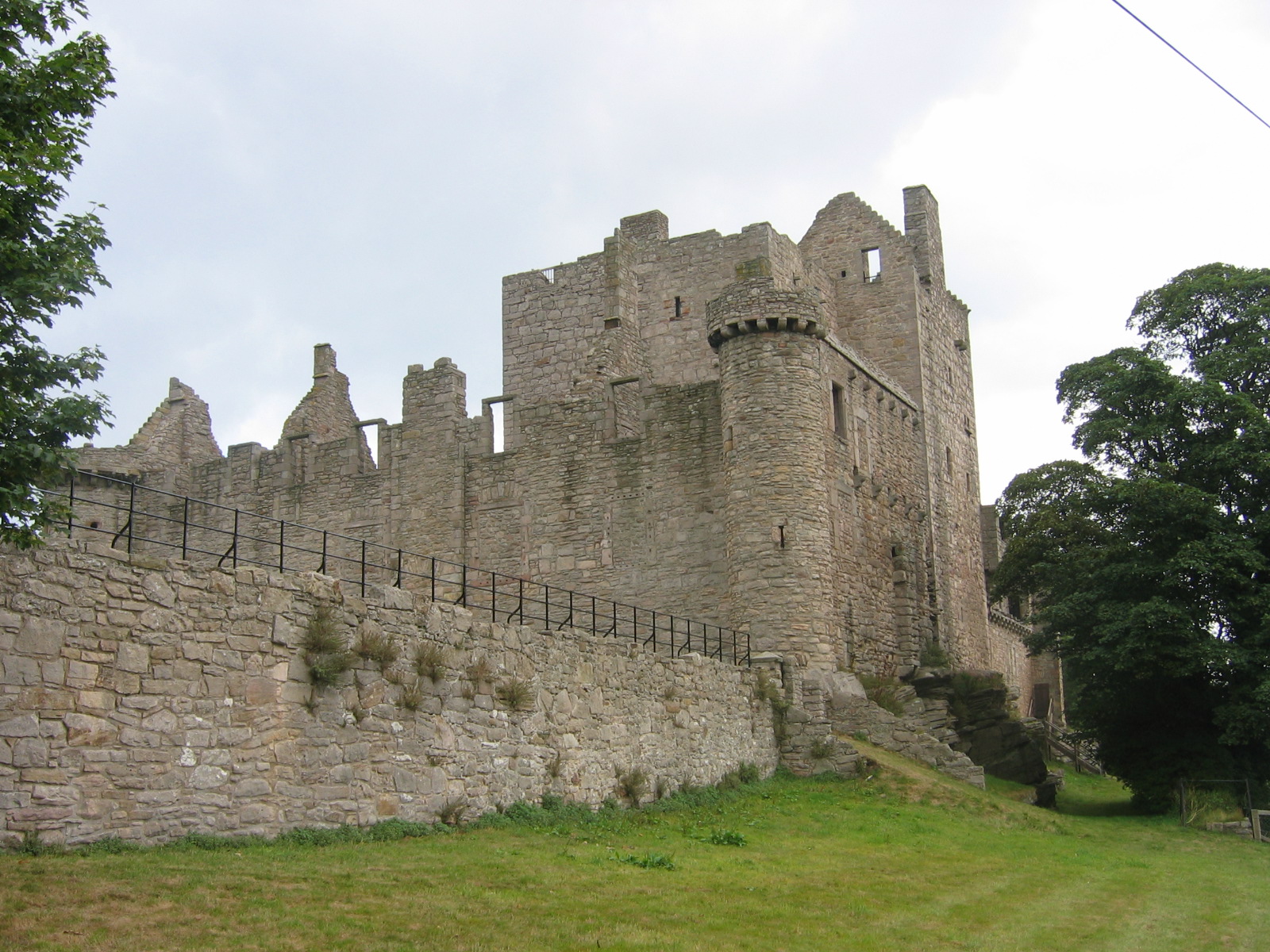
Craigmillar: Edinburgh’s Other Castle on the Hill
Craigmillar keeps the castle that most visitors to Edinburgh never see. Its tower stands on a hill south east of the city, above a park and a quiet suburb.
The castle is one of the best preserved medieval castles in Scotland, and its stones hold the story of Mary, Queen of Scots, and the plot that bears the name of craigmillar. The suburb around it is a place of housing estates, schools and green space, far from the crowds of the Royal Mile. The pages that follow climb the hill from its abbey land to its tower, trace the Bond that changed a reign, and show how to visit the castle and its park in half a day.
Quick Facts
| Fact | Detail |
|---|---|
| Full name | Craigmillar, a suburb in the south east of Edinburgh, Scotland |
| Focus keyword | craigmillar |
| Location | On a low hill about five kilometres south east of the centre of Edinburgh |
| Coordinates | About fifty-five degrees fifty-six minutes north and about three degrees eight minutes west |
| Wikidata | Q5181723, suburb, checked 22 November 2026 |
| Castle | Craigmillar Castle, begun in the late fourteenth century by the Preston family |
| State care | In the care of the state since 1946, managed by Historic Environment Scotland |
| Nearest sights | Holyrood Palace and Arthur’s Seat to the north west |
| Transport | Buses run to the city centre from the castle road |
| Time zone | Greenwich Mean Time, British Summer Time in summer, and the pound sterling is the currency |
| UNESCO setting | The Old and New Towns of Edinburgh hold reference 728, and craigmillar castle lies outside the listed boundary |
Geography of Craigmillar
A Hill Above the City
Craigmillar rises on a low hill in the south east of Edinburgh, and the castle crowns the highest ground of the suburb. The hill gives the castle its strength, because a tower on a rise can watch the roads from the south and the city to the north west. From the top of the tower a visitor looks across the roofs of Edinburgh toward the castle rock and the long ridge of Arthur’s Seat. The suburb below spreads in housing streets and gardens, and the hill keeps the castle apart from the houses.
The ground of craigmillar falls gently away from the castle in every direction, with the city to the north west and the open country of Midlothian to the south. The fields and woods beyond the suburb belong to a greener Edinburgh than the stone centre, and the views from the castle show both worlds at once. The hill is not high, yet it is high enough to make craigmillar one of the most open viewpoints in the city. A walker who climbs the slope from the bus stop reaches the castle gates with the city spread behind.
The climate of craigmillar is the cool oceanic climate of Edinburgh, with mild summers, damp winters and wind that finds the hilltop first. The castle stands exposed to the weather, and the wind on the tower roof can be strong even on a sunny day. A visitor should bring a windproof jacket, because the hill catches every breeze that crosses the city. The best light for the views comes in the late afternoon, when the sun falls across the roofs toward the west.
Craigmillar Castle Park
Craigmillar Castle Park wraps around the castle in a broad sweep of grass, trees and paths, and it is one of the largest green spaces in this part of Edinburgh. The park holds old trees, open lawns and walking routes that link the castle to the housing streets below. Families use the park for picnics and play, and walkers use its paths to reach the castle without a car. The park gives craigmillar its breathing space, and the castle rises from the trees like a ruin in a landscape painting.
The garden of the castle lies within the park, and it is listed in the national Inventory of Gardens and Designed Landscapes. The garden keeps old trees and walks that show how a medieval castle was set inside a managed landscape, with orchards, herbs and walks for the household. The planting has changed over the centuries, yet the shape of the ground still follows the old design. A visitor who walks the garden sees the castle as its owners saw it, framed by green rather than by stone.
The park also joins craigmillar to the wider green network of Edinburgh, with paths that run toward Arthur’s Seat and Holyrood Park to the north west. The walk from the castle to the foot of Arthur’s Seat takes about an hour on foot, and it crosses some of the quietest ground in the city. The park paths are gentle and well kept, and they suit a slow walk after the climb to the tower. Craigmillar Castle Park is the reason a visit to the castle feels like a walk in the country rather than a tour of a monument.
The Modern Suburb Around the Castle
The modern suburb of craigmillar grew in the twentieth century, when Edinburgh built large housing estates on the fields around the castle. The streets hold council houses, schools, a community centre and shops that serve the people who live here. The suburb has faced hard years and renewal, and new housing now stands beside the old estates. A visitor who walks from the castle to the bus stop passes the daily life of craigmillar, with schoolchildren, dog walkers and neighbours on the pavements.
Craigmillar sits between Niddrie to the east, Liberton to the south and Newington to the north west, and each neighbour gives the suburb a different edge. Niddrie brings the roads toward the coast, Liberton brings the fields toward the Pentland Hills, and Newington brings the university quarter and its students. The suburb belongs to the city, yet it keeps a village feeling on its quieter streets. A traveller who knows only the Royal Mile will find a different Edinburgh in craigmillar, a place where people live rather than visit.
Buses link craigmillar with the centre of Edinburgh, and the ride runs through Newington to the bridges and the Royal Mile. The suburb has no railway station, so the bus is the way most visitors arrive, and the castle road is a short walk from the nearest stop. The journey is short enough for a half day visit, and the castle, the park and the views fit easily into a morning. Craigmillar rewards a traveller who leaves the centre behind, because the castle is quieter and often more moving than the famous one.

A view of Craigmillar — CC BY-SA 2
History of Craigmillar
From Abbey Land to the Prestons
The land of craigmillar first enters the records in the twelfth century, when King David the First gave it to the monks of Dunfermline Abbey. The monks held the ground for two centuries, and the land stayed in church hands while Edinburgh grew to the north west. The Preston family received the land from King David the Second in 1342, and King Robert the Second granted it again to Sir Simon Preston in 1374. The family built its tower on the hill soon after, and the tower that stands today began in the late fourteenth century.
The tower house of craigmillar was finished by 1425, when a charter was sealed at the castle by Sir John Preston. The tower is built in an L shape, with thick walls, a great hall and rooms stacked across four floors. Sir William Preston, who died in 1453, built the courtyard wall after travelling in France, and the wall brought round towers and gun loops from the continent. The wall is one of the finest pieces of castle building in Scotland, and it turned a tower into a fortress.
Craigmillar rose to the rank of a barony in 1511, and the outer court was built in the years that followed, perhaps by another Sir Simon Preston who died in 1520. The castle grew through the sixteenth century with new rooms and ranges, until it stood as a complete courtyard castle on its hill. The Prestons held the castle for three centuries, and their arms and their choices shaped every stone of the place. A visitor who walks the courtyard today walks through the work of a single family across two hundred years.
Fire, Mary and the Bond
The castle burned on 8 May 1544, when the English army of the Earl of Hertford set it alight during the Rough Wooing, the war over the marriage of Mary, Queen of Scots. The fire damaged the castle, yet the Prestons repaired it, and the tower still stands as a witness to that burning. The war between England and Scotland ran through the middle of the sixteenth century, and craigmillar stood on the road that armies used to reach Edinburgh. The castle survived the fire because its stone tower resisted the flames, and the repair kept the old plan intact.
Mary, Queen of Scots, stayed at craigmillar twice, in September 1563 and from 20 November to 7 December 1566. The second stay came after the birth of her son James, the future James the Sixth, and Mary had come to the castle to recover from a serious illness. The French ambassador Philibert du Croc wrote that the queen was low in spirits, and the castle gave her quiet away from the court. The rooms where Mary slept still hold the name of the queen, and visitors seek them out first.
During the stay of 1566 the lords of Mary met at craigmillar to discuss her husband, Henry Stuart, Lord Darnley, who had grown troublesome and dangerous. The meeting produced the Craigmillar Bond, an agreement among the Scottish lords to remove Darnley from the scene. Darnley was murdered at Kirk o’ Field in Edinburgh in February 1567, a few weeks after the meeting at the castle. The Bond itself has not survived, and Mary was probably not a direct party to it, yet the plot at craigmillar stands as a turning point in her reign.
From Ruin to State Care
The Prestons sold craigmillar in 1660 to Sir John Gilmour, the Lord President of the Court of Session, who brought new life to the aging castle. The Gilmour family held the castle for a century, yet they left it in the eighteenth century, and the building fell into ruin. The roofs failed, the rooms stood open to the rain, and the castle became a romantic ruin on the hill. The tower survived because its walls were thick, and the ruin kept its shape while the houses around it changed.
The state took craigmillar into care in 1946, and Historic Environment Scotland now manages the castle as a scheduled ancient monument. The keepers cleared the rubble, steadied the walls and opened the castle to the public, so the tower, the hall and the courtyard can be walked today. The castle is open in the warmer months, and the keepers ask visitors to check the hours before they travel, because the season shapes the opening days. The care of the state saved the castle from further decay, and the ruin now stands as one of the best preserved medieval castles in Scotland.
The suburb around the castle changed faster than the castle itself, with housing estates rising in the twentieth century and renewal following in the twenty first. The castle stayed on its hill through every change, and the park around it kept the green setting that the Prestons knew. Craigmillar today is a living suburb with a medieval heart, and the castle gives the community a history that few suburbs can claim. A visitor who climbs the tower sees the old Edinburgh and the new one together, and the view explains why the hill was worth holding.

Bristo Memorial Church, Craigmillar — CC BY-SA 2
Travel to Craigmillar
Visiting the Castle
The castle is the reason to come to craigmillar, and a visitor should allow half a day for the tower, the courtyard and the park. The tower climb runs up narrow stone stairs to the roof, where the view opens across Edinburgh and the fields of Midlothian. The great hall and the queen’s room survive in stone, and the rooms show how a noble household lived in the fifteenth and sixteenth centuries. The castle is quieter than Edinburgh Castle, so a visitor can linger in the rooms without a crowd.
The courtyard wall rewards a slow walk, because its round towers and gun loops show the French ideas that Sir William Preston brought home. The wall walk gives a second view of the castle, with the tower rising behind the curtain and the park spreading below. The garden lies beside the wall, and its old trees and paths make a calm pause after the climb. A visitor should wear good shoes, because the stone stairs are steep and the ground of the courtyard is uneven.
Walking the Park
Craigmillar Castle Park suits a walk after the castle, with paths that run through trees and open grass around the hill. The park is free to enter, and its lawns make a good place for a picnic on a fine day. The paths join the wider network toward Arthur’s Seat, and a walker can reach the foot of the hill in about an hour. The park is at its best in late spring, when the trees are in fresh leaf and the castle stands bright against the green.
Families use the park through the year, and the play areas and open space give children room to run. The park also holds some of the best views in the suburb, because the ground falls away toward the city and the open country to the south. A visitor who walks the park in the evening finds the castle lit by the low sun, and the hill feels far from the city below. The walk is gentle, and it suits every age.
Combining Craigmillar with the Old Town
A visit to craigmillar pairs well with the Old Town, because the bus from the castle road reaches the centre in about twenty minutes. The Royal Mile runs from Edinburgh Castle to the Palace of Holyroodhouse, and its closes and wynds hold the history that the castle on the hill watched. A traveller can spend the morning at craigmillar and the afternoon on the Mile, and the two castles together tell the story of the city. The contrast is the point, because one castle is famous and crowded while the other is quiet and open.
Holyrood Palace stands at the foot of the Royal Mile, and its rooms hold the later life of Mary, Queen of Scots, after the years at craigmillar. Arthur’s Seat rises beside the palace, and the climb to its summit gives the finest view in Edinburgh. A traveller who walks from the palace to the hill and back will have seen the royal side of the city in a single afternoon. The day ends best with a bus back through Newington, with the lights of the city giving way to the quiet streets of the suburb.
Notable Places in Craigmillar
The Tower House
The tower house is the oldest part of craigmillar castle, an L shaped keep that was finished by 1425. The tower holds a great hall and bedchambers across four floors, and its walls still rise to their full height in many places. The climb to the roof runs up a narrow stone stair, and the view from the top covers Edinburgh, Arthur’s Seat and the fields of Midlothian. The tower is the heart of the castle, and its survival makes craigmillar one of the best preserved medieval castles in Scotland.
The Courtyard Wall
The courtyard wall of craigmillar castle was built about 1453 by Sir William Preston, after his travels in France. The wall holds round towers and gun loops of a continental kind, and it ranks among the finest courtyard defences in Scotland. A walk along the wall shows the castle as a fortress rather than a house, with the tower rising behind the curtain. The wall also frames the garden, and its stones carry the marks of five centuries of weather.
The Queen’s Room
The room of Mary, Queen of Scots, stands on an upper floor of the tower, with a view across the fields of Midlothian. Mary slept here during her stay from 20 November to 7 December 1566, while she recovered from illness and met her lords. The room is small and plain beside the great hall, yet visitors seek it out first, because the Bond was plotted in the castle during those weeks. The room gives the castle its most famous story, and its quiet makes the plot feel close.
The Garden
The garden of craigmillar castle is listed in the national Inventory of Gardens and Designed Landscapes, and it holds old trees and walks beside the courtyard wall. The garden shows how a medieval household used its ground, with herbs, orchards and walks for quiet hours. The planting has changed over the centuries, yet the shape of the garden still follows the old design. A visitor who walks the garden finds the calm side of the castle, away from the stone and the stairs.
Craigmillar Castle Park
Craigmillar Castle Park surrounds the castle with grass, trees and paths, and it is one of the largest green spaces in south east Edinburgh. The park holds lawns for picnics, paths for walkers and open views toward the city and the hills beyond. The castle rises from the trees at the centre of the park, and the walk from the gates to the tower is itself part of the visit. The park makes craigmillar a place for a whole morning, not only for an hour at the castle.
Frequently Asked Questions
Where is craigmillar in Edinburgh?
Craigmillar is a suburb in the south east of Edinburgh, on a low hill about five kilometres from the city centre. The castle stands at the top of the hill, and buses from the centre stop a short walk from the castle road.
What links craigmillar to Mary, Queen of Scots?
Mary stayed at the castle twice, in September 1563 and from 20 November to 7 December 1566, while she recovered from a serious illness. During the second stay her lords met at the castle and agreed the Craigmillar Bond, which aimed to remove her husband Lord Darnley.
Is craigmillar castle a UNESCO World Heritage site?
The castle is not a World Heritage property, because it stands outside the boundary of the Old and New Towns of Edinburgh, reference 728. The castle is still a scheduled ancient monument, and Historic Environment Scotland manages it for the public.
When was craigmillar castle built?
The Preston family began the castle in the late fourteenth century, and the tower house was finished by 1425. The courtyard wall followed about 1453, and the castle grew through the fifteenth and sixteenth centuries into a complete courtyard fortress.
Can I visit craigmillar castle?
The castle opens to the public in the warmer months, and visitors can climb the tower, walk the courtyard and explore the garden. Travellers should check the opening hours on the official Historic Environment Scotland site before they go, because the season shapes the opening days.
How is craigmillar different from Edinburgh Castle?
Craigmillar is quieter and less crowded than Edinburgh Castle, and its story turns on Mary, Queen of Scots, and the Bond rather than on kings and armies. The castle also keeps more of its medieval rooms intact, and the park around it gives the visit a walk in the country as well as a tour.
Verified
Each claim below can be traced to a source named at the end of this article.
-
All of the sources listed at the end were read afresh on 22 November 2026, and the dates and names in this article were checked against them before the text was finished.
-
Wikidata item Q5181723 names craigmillar a suburb, with coordinates of about fifty-five degrees fifty-six minutes north and about three degrees eight minutes west, and those coordinates match the registry exactly.
-
The land of craigmillar was granted to the monks of Dunfermline Abbey in the twelfth century, and the Preston family received it in 1342 and again in 1374.
-
The tower house was finished by 1425, the courtyard wall was built about 1453, and the castle became a barony in 1511.
-
The castle burned on 8 May 1544 during the Rough Wooing, and Mary, Queen of Scots, stayed at the castle in September 1563 and from 20 November to 7 December 1566.
-
The state took the castle into care in 1946, and Historic Environment Scotland manages it today as a scheduled ancient monument.
-
The Old and New Towns of Edinburgh were inscribed in 1995 as reference 728 under criteria (ii)(iv), and craigmillar castle stands outside the listed boundary.
-
The United Kingdom holds 35 inscribed World Heritage properties, and the Forth Bridge, reference 1485, was inscribed in 2015 under criteria (i)(iv).
Unverified
-
Ticket prices for the castle change by season, and the current prices sit on the official Historic Environment Scotland site.
-
The exact opening days of the castle vary through the year, so the official site must be checked before a visit.
-
No official count of yearly visitors to the castle was found, so the main text gives no yearly total for the castle.
-
The exact height of the tower and the full list of rooms open on a given day could not be confirmed, so the main text gives no figures for them.
Sources
-
Wikidata, item Q5181723, Craigmillar: https://www.wikidata.org/wiki/Q5181723 (checked 22 November 2026).
-
Wikipedia, Craigmillar Castle: https://en.wikipedia.org/wiki/Craigmillar_Castle (checked 22 November 2026).
-
Historic Environment Scotland, Craigmillar Castle: https://www.historicenvironment.scot/visit-a-place/places/craigmillar-castle/ (checked 22 November 2026).
-
UNESCO, Old and New Towns of Edinburgh, reference 728: https://whc.unesco.org/en/list/728/ (checked 22 November 2026).
-
UNESCO, Forth Bridge, reference 1485: https://whc.unesco.org/en/list/1485/ (checked 22 November 2026).
-
UNESCO, States Parties page for the United Kingdom: https://whc.unesco.org/en/statesparties/gb (checked 22 November 2026).
-
TheTerraAtlas registry: for the entity TA-L4-craigmillar, its parent Edinburgh and the keyword set (checked 22 November 2026).
Illustrations
- Hero: Craigmillar. Free image: https://upload.wikimedia.org/wikipedia/commons/4/42/Craigmillar_SW.jpg — CC BY-SA 3.0.
- In body, Craigmillar: Bristo Memorial Church, Craigmillar. Free image: https://upload.wikimedia.org/wikipedia/commons/7/79/Bristo_Memorial_Church%2C_Craigmillar_-geograph.org.uk-_4593481.jpg — CC BY-SA 2.
- In body, Craigmillar: A view of Craigmillar. Free image: https://upload.wikimedia.org/wikipedia/commons/f/f2/Craigmillar_-geograph.org.uk-_6800352.jpg — CC BY-SA 2.