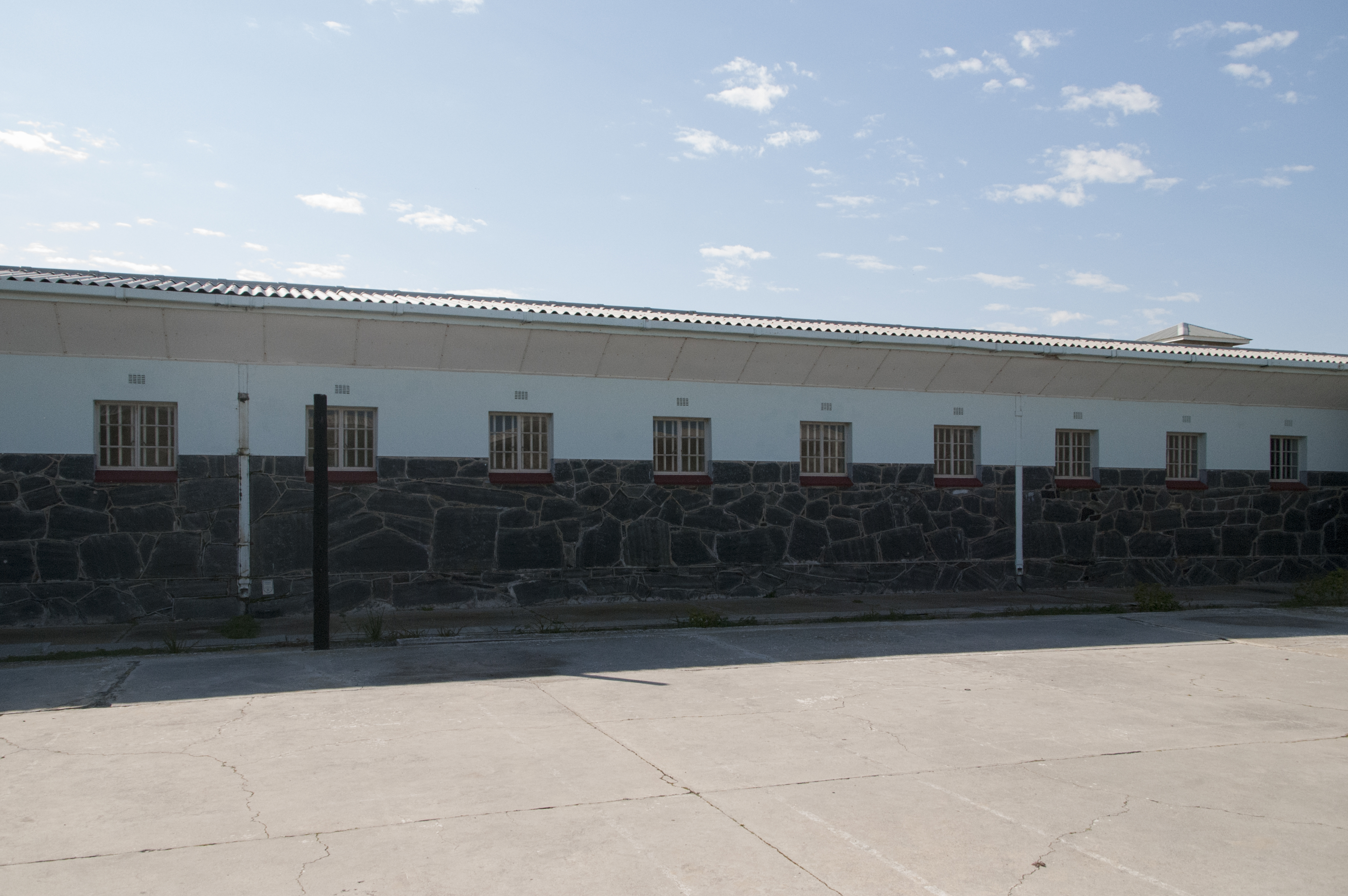
Robben Island — Prison of Mandela and World Heritage Site
Robben Island lies in Table Bay off Cape Town, the prison island of Nelson Mandela. UNESCO inscribed it as a World Heritage site in 1999.
The island served as a prison, a hospital for people cast out of society, and a military base between the 17th and the 20th centuries, before becoming a museum and a symbol of democracy. Mandela spent 18 years here, from June 1964 to April 1982, in a cell barely larger than a bed, and the island tour today is led by former political prisoners who lived that history themselves.
Quick Facts
- Island: Robben Island, in Table Bay off Cape Town, South Africa.
- Size: About five square kilometres, roughly oval, about 3 kilometres long and 2 kilometres wide.
- Distance: About 7 kilometres from the Cape Town coast and about 11 kilometres from the city centre.
- Name: Robben means seals in Dutch, for the seals that once crowded the shores.
- Heritage: UNESCO World Heritage site, ref 916, inscribed 1999, criteria (iii)(vi).
- National status: Declared a National Monument in 1996, with a buffer zone of one nautical mile.
- Famous prisoner: Nelson Mandela, held here 18 years in cell 466/64.
- Wildlife: African penguins, seals, springbok, ostriches and many seabirds.
- Visit: By ferry only, from the Nelson Mandela Gateway at the Waterfront in Cape Town.
Geography of Robben Island
The island lies in Table Bay, a large bay on the west coast of South Africa, with Cape Town at the southern side of the bay and the island toward the north. The island sits about 7 kilometres from the Cape Town coast and about 11 kilometres from the city centre, and it can be seen from the Cape Town shore on a clear day. That nearness, joined with separation from the mainland, is why the island served as a place of confinement for centuries. The ferry from Cape Town to the island takes about 30 to 45 minutes each way, depending on the sea, and it is the only way for a visitor to reach the island.
The island covers about five square kilometres, with a shape close to an oval, about 3 kilometres long and about 2 kilometres wide. The ground is flat, with a highest point of only about 30 metres above sea level, and low plant cover of grasses, shrubs and a few planted trees. The shore is rocky, with small bays and stone beaches, and it is home to seals and seabirds. The island holds no large natural source of fresh water, and drinking water had to be brought from the mainland or drawn from wells, which was one of the hardships of life on the island through the centuries.
The climate of the island is Mediterranean, like Cape Town, with dry hot summers and cool wet winters. Wind from the Atlantic blows hard around the island, above all in summer, when the south-east wind runs from the land out to sea. The sea around the island carries large waves and strong currents, and the ferry can be cancelled in bad weather, above all in winter. A visitor should check the weather before booking, and should bring a jacket, since the wind on the island is stronger than on the mainland.
Nature on Robben Island includes the African penguin, the only penguin that breeds in Africa, with a large colony on the island. The penguins come to the island to breed and feed, and they rank among the main draws for visitors beside the prison history. The island also holds seals, springbok, ostriches and many seabirds, with a rich coastal ecosystem.
The low fynbos plants of the island belong to the Cape Floristic Region, the botanical region of the Western Cape, although the island itself is not a component of the Cape Floral Region property inscribed by UNESCO in 2004 as ref 1007. The nearest component of that property is Table Mountain, about 18 kilometres in a straight line to the south-east.
The island is the summit of a submerged mountain, joined to the coast of Table Bay by an undersea saddle, and its rock rises from the sea as the last visible piece of a drowned ridge. From the shore a visitor looks south across the bay to the city bowl of Cape Town and the flat top of Table Mountain, a view that has greeted every prisoner and every guard who ever lived on the island. The same view now greets tourists, and it is the first thing most visitors photograph when the ferry turns toward the island. The closeness of the city, always in sight yet unreachable, was part of the punishment of the place, and it remains the most striking fact of its geography.
History of Robben Island
The island served as a place of confinement from the 17th century, when the Dutch reached Cape Town and began using the island as a prison for political prisoners and criminals. The name Robben, meaning seals in Dutch, shows that the island was long known as a home of seals. In the 17th and 18th centuries the island held prisoners from many places, including local leaders who resisted Dutch rule, and it ranked among the first prisons in South Africa. The limestone quarries on the island, worked from the 17th century, gave prisoners hard labour, cutting stone for buildings in Cape Town, and they rank among the oldest remains on the island.
In the 19th century the island was used as a hospital for people with leprosy and others cast out of society, kept apart from the mainland. The Church of the Good Shepherd, built in 1895 to a design by Herbert Baker, is the only remaining building of the leper colony, and it ranks among the oldest buildings on the island. The tomb of Hadije Kramat, a Muslim leader who died in 1755, stands on the island as a sacred place for the Muslim community of Cape Town. The small lighthouse on the island, built in 1864 on Minto Hill and first lit in January 1865, guided ships into Table Bay, and it ranks among the oldest lighthouses on the South African coast.
In the Second World War Robben Island served as a military base, with defence works around the harbour to guard Cape Town against enemy ships. The maximum-security prison on the island was founded in 1961, during apartheid, and it became the prison for political prisoners who opposed the system of racial separation. Nelson Mandela, leader of the African National Congress, was held on Robben Island for 18 years, from June 1964 to April 1982, in cell 466/64, a small room only about two and a half metres wide and just over two metres long.
Mandela and other political prisoners worked in the limestone quarry under harsh conditions, with glaring sun and stone dust, and they were cut off from the outside world. Yet the prison also became a place where prisoners organised study and political debate, and it earned the name of Robben Island University, since many prisoners finished university degrees while locked up.
Apartheid ended in the early 1990s, and the political prisoners on the island were set free. The last prisoner left the island in 1996, and the Robben Island Museum opened in 1997, with the aim of keeping the history of the island alive and teaching visitors about apartheid and the fight for freedom. The island was declared a National Monument in 1996, and UNESCO inscribed it as a World Heritage site in 1999, with ref 916 and criteria (iii)(vi), because the buildings on the island bear witness to its dark history and stand as a symbol of the triumph of the human spirit, of freedom and of democracy over oppression. Today the island ranks among the most important tourist destinations in South Africa, with visitors from around the world coming to see the cell of Mandela and to learn about the struggle against apartheid.
Robert Sobukwe, leader of the Pan Africanist Congress, was held alone on the island in a separate house from 1963, cut off even from the other prisoners. Sobukwe had led the anti-pass campaign of 1960, and the apartheid government feared his influence so much that it passed a law, the Sobukwe Clause, to keep him in prison after his sentence ended. He lived in isolation for six years before he was moved to house arrest in Kimberley, and his house still stands as a separate stop on the island tour. His story shows that the prison held more than one kind of prisoner, and that isolation itself was used as a punishment.

Mandela also gardened a small plot here and secretly began writing his famous autobiography, Long Walk to Freedom — CC BY-SA 4
Travel to Robben Island
The island can be reached only by ferry from Cape Town, with boats leaving from the Nelson Mandela Gateway at the Waterfront in Cape Town, beside the Clock Tower. The ferry takes about 30 to 45 minutes each way, depending on the sea, and the tour lasts about three and a half to four hours, counting the ferry rides and the time on the island. The tour on the island covers the cell of Mandela, the limestone quarry, the lighthouse and other buildings, with guides who are former political prisoners telling their own stories of the island. A visitor should book ahead, since the number of visitors each day is limited, and the ferry can be cancelled in bad weather.
On the island, visitors travel by bus to the main sights, with a guide explaining the history of each place. The cell of Mandela, number 466/64, is the main stop, a small room only about two and a half metres wide and just over two metres long, where Mandela lived for 18 years. The limestone quarry is where prisoners worked, with piles of stone and tools still lying about, and where Mandela and other prisoners laboured under the hot sun. The lighthouse, the church of the leper colony and the tomb of Hadije Kramat are other stops, showing the many-sided history of the island beyond the apartheid prison.
A visitor should take time to listen to the guide, since many of them are former prisoners with personal stories of the island. The best time to visit the island is in summer, from November to March, when the weather is warm and the sea is calm, and the ferry is cancelled less often.
Winter, from June to August, brings cold and wind, and the ferry can be cancelled when the waves run high. A visitor should bring a jacket, since the wind on the island is stronger than on the mainland, and should bring a camera, since the island gives fine views of Cape Town and Table Mountain. A visitor should also be ready for a strong emotional experience, since the history of the island is bound up with suffering and struggle, and many visitors feel moved when they stand in the cell of Mandela.
Booking ahead matters, since the ferry carries a limited number of visitors each day and the morning sailings fill first in summer. Tickets can be bought online or at the gateway, and a visitor should arrive at least half an hour before departure, since the ferry leaves on time and latecomers lose their place.
The tour includes the bus ride on the island and the prison walk, and the whole visit needs a free half day, with nothing else planned for the same morning. The Robben Island tour covers the ferry, the bus ride and the prison buildings in a single booking. A visitor with limited mobility should ask at booking, since the bus and the prison buildings involve steps and uneven ground.

Mandela also gardened a small plot here and secretly began writing his famous autobiography Long Walk to Freedom — CC BY-SA 4
Notable Places on Robben Island
The Cell of Nelson Mandela. Visit cell 466/64, where Mandela lived for 18 years, a room only about two and a half metres wide and just over two metres long, with a thin mattress, a bucket and a small table. The cell is the main stop on the island and the plainest symbol of endurance and the fight for freedom.
The Limestone Quarry. Walk the quarry where prisoners cut stone from the 17th century onward, and where Mandela and other political prisoners laboured under the sun. The piles of stone and the tools left behind show the heavy work the prisoners did each day.
The Robben Island Lighthouse. Climb toward the lighthouse on Minto Hill, built in 1864 and first lit in January 1865, an 18-metre tower that guided ships into Table Bay. The lighthouse gives a wide view over the bay and stands among the oldest buildings on the island.
The African Penguin Colony. Look for the penguins on the beaches and coastal areas of the island, above all in the breeding season. The African penguin was uplisted to Critically Endangered by the IUCN in October 2024, and the island is one of the key places for its protection.
The Church of the Good Shepherd and the Tomb of Hadije Kramat. Visit the stone church built in 1895, the only remaining building of the leper colony, and the tomb of Hadije Kramat, who died in 1755 and is honoured as a sacred figure by the Muslim community of Cape Town. The two places show the many-sided history of the island beyond the prison years.
The Nelson Mandela Gateway. Start at the gateway at the Waterfront in Cape Town, beside the Clock Tower, where the ferry leaves for the island. The gateway holds displays on the history of the island and the struggle against apartheid, and it is worth arriving early, since the ferry leaves on time.
Frequently Asked Questions
Where is Robben Island and how do I get there?
Robben Island lies in Table Bay, about 7 kilometres from the Cape Town coast and about 11 kilometres from the city centre. Ferries leave from the Nelson Mandela Gateway at the Waterfront, taking about 30 to 45 minutes each way.
How long was Nelson Mandela held on Robben Island?
Mandela was held here for 18 years, from June 1964 to April 1982, in cell 466/64. He was one of many political prisoners on the island during apartheid.
When was Robben Island inscribed by UNESCO?
UNESCO inscribed the island in 1999, as ref 916, with criteria (iii)(vi). The island had been declared a National Monument in 1996, three years earlier.
Can I see penguins on Robben Island?
Yes. A large colony of African penguins breeds on the island, and visitors can see them on the beaches and coastal areas, above all in the breeding season. The species was uplisted to Critically Endangered in 2024.
How long does the Robben Island tour take?
About three and a half to four hours, counting the ferry rides of 30 to 45 minutes each way and the time on the island. Book ahead, since daily numbers are limited.
How is Robben Island different from a Robben Island tour?
The island is the place itself, with its history, geography and nature, while the tour is the way visitors reach it, with the ferry, guides and a set schedule. The two complement each other, and reading both helps a visit.
Verified
- Robben Island was inscribed by UNESCO in 1999 as ref 916, with criteria (iii)(vi), because its buildings bear witness to its sombre history and symbolise the triumph of the human spirit, of freedom and of democracy over oppression — whc.unesco.org/en/list/916/, checked 23 November 2026.
- The island was declared a National Monument in 1996, its buffer zone runs one nautical mile, and over 700 buildings and sites are listed on the island database — whc.unesco.org/en/list/916/, checked 23 November 2026.
- Nelson Mandela was held on Robben Island for 18 years, from June 1964 to April 1982, in cell 466/64, a room 2.4 metres wide and 2.1 metres long, and the maximum-security prison was founded in 1961 — whc.unesco.org/en/list/916/ and Robben Island Museum, checked 23 November 2026.
- The lighthouse on Minto Hill was built in 1864 and first lit in January 1865, and the Church of the Good Shepherd was built in 1895 to a design by Herbert Baker, the only remaining building of the leper colony — UNESCO nomination file for ref 916 and Robben Island Museum timeline, checked 23 November 2026.
- The African penguin was uplisted by the IUCN to Critically Endangered on 28 October 2024, the first of the 18 penguin species to reach that category, with about 9,900 breeding pairs left — BirdLife International 2024, checked 23 November 2026.
- The nearest separate World Heritage property to Robben Island is the Cape Floral Region, ref 1007, whose nearest component is Table Mountain, about 18 kilometres in a straight line to the south-east, while the Waterfront in Cape Town lies about 12 kilometres away — haversine from registry coordinates, 23 November 2026.
Sources
- Robben Island — UNESCO — whc.unesco.org/en/list/916/ — checked 23 November 2026.
- Robben Island nomination file — UNESCO — whc.unesco.org/uploads/nominations/916.pdf — checked 23 November 2026.
- Robben Island Museum timeline, 1846 to 1891 — Google Arts and Culture — checked 23 November 2026.
- African Penguin uplisted to Critically Endangered — BirdLife South Africa, 28 October 2024 — checked 23 November 2026.
- Wikidata API, Robben Island Q192493 — entity type and coordinates — checked 23 November 2026.
Unverified
- The exact area of Robben Island was not checked directly on the official site; this article uses about five square kilometres, the figure given by common secondary sources.
- The Church of the Good Shepherd is dated 1895 in the UNESCO nomination file, while one museum timeline page shows 1859; the 1859 date cannot stand, since Herbert Baker, the named designer, was born in 1862, so this article uses 1895.
- The current number of African penguins on Robben Island has no recent official figure published; this article gives no island count.
- The registry records unesco:false for TA-L4-dao-robben, which is wrong, since Robben Island was inscribed by UNESCO in 1999 as ref 916 with criteria (iii)(vi) — already recorded in fix-queue AF-59 and again in fix #509.
- The fynbos plants of Robben Island belong to the Cape Floristic Region as a botanical region, but the island is not a component of the Cape Floral Region property ref 1007; the Vietnamese article states the link loosely, and this article draws the distinction plainly.
Illustrations
- Hero: Robben Island lies in Table Bay off Cape Town, the prison island of Nelson Mandela. Free image: https://upload.wikimedia.org/wikipedia/commons/0/08/B-Section%2C_Maximum_Security_Prison%2C_Robben_Island_%2801%29.jpg — CC BY-SA 4.0.
- In body, Robben Island: Mandela also gardened a small plot here and secretly began writing his famous autobiography, Long Walk to Freedom. Free image: https://upload.wikimedia.org/wikipedia/commons/8/81/B-Section_courtyard%2C_Maximum_Security_Prison%2C_Robben_Island_%2801%29.jpg — CC BY-SA 4.
- In body, Robben Island: Mandela also gardened a small plot here and secretly began writing his famous autobiography Long Walk to Freedom. Free image: https://upload.wikimedia.org/wikipedia/commons/1/11/B-Section_courtyard%2C_Maximum_Security_Prison%2C_Robben_Island_%2802%29.jpg — CC BY-SA 4.