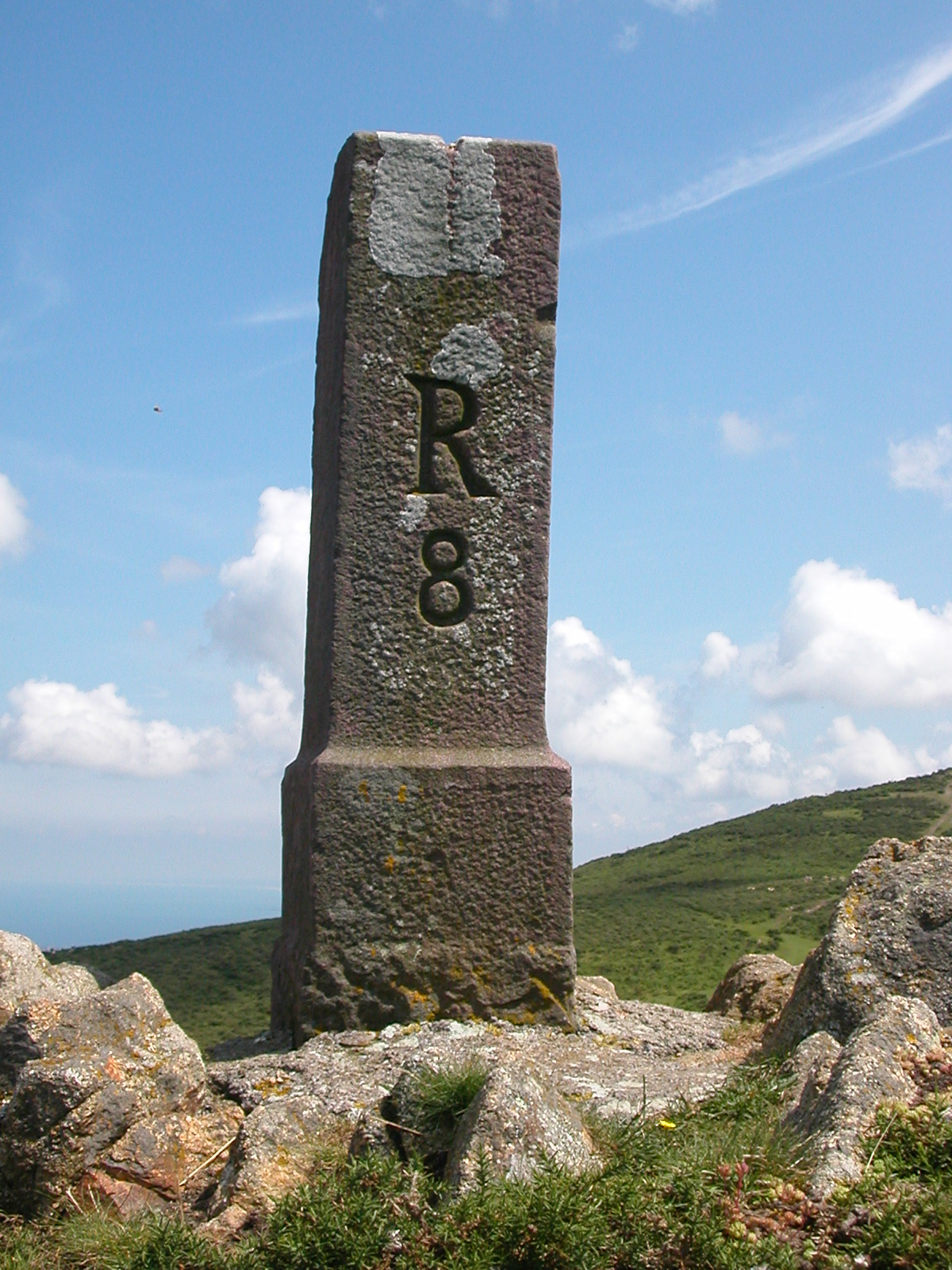
France Spain Tours: A Coast and Mountain Route
France Spain tours run from the Atlantic coast to the Mediterranean, crossing the Pyrenees. The route links Bordeaux, San Sebastián and Barcelona in ten days.
The ten days start among the vineyards around Bordeaux, cross the border at Hendaye and Irun, follow the Basque coast past San Sebastián, turn inland at Pamplona, climb the passes to Gavarnie and Ordesa, and finish on the streets of Barcelona. Each leg changes the ground underfoot: river plain, then ocean cliff, then high pass, then city square. The Camino Francés crosses the same mountains on foot, and the tour meets its pilgrim hostels at Saint-Jean-Pied-de-Port and Roncesvalles before the road drops to the Mediterranean.
Quick Facts
| Item | Detail |
|---|---|
| Start | Bordeaux, on the Garonne in south-west France |
| Finish | Barcelona, on the Mediterranean in Catalonia |
| Coastline | Atlantic coast of the Basque Country, then Mediterranean coast of Catalonia |
| Mountains | Pyrenees, about 430 kilometres from the Atlantic to the Mediterranean |
| Pilgrim route | Camino Francés, about 738 kilometres from Saint-Jean-Pied-de-Port to Santiago de Compostela |
| Wine regions | Bordeaux, Rioja, Penedès |
| High-speed trains | TGV in France, AVE in Spain, direct Paris to Barcelona service since 2013 |
| UNESCO total | 106 properties across the two countries (France 56, Spain 50) |
| Currency | Euro in both countries |
| Days | About ten days, with three days in Bordeaux and three in Barcelona |
| Season | May to June, and September to October |
Geography of France Spain Tours
Two coasts and one mountain range
France Spain tours run between two seas, with the Atlantic Ocean in the west and the Mediterranean Sea in the east, and the Pyrenees in the middle, a mountain range about 430 kilometres long that forms the border between France and Spain. The tour starts in Bordeaux, on the Garonne in the south-west of France, and it runs south to the Atlantic coast of the Basque Country, with Biarritz and San Sebastián, then east through the Pyrenees to the Mediterranean coast of Catalonia, with Girona and Barcelona. The whole route is about 800 kilometres by road, with the two coasts as the two ends and the mountains as the middle, and the tour is the way to see the two countries in one journey, with the sea and the mountains as the two landscapes.
The Garonne and the Ebro drain the two sides of the route, one to the Atlantic and one to the Mediterranean, and the Pyrenees stand between them as the watershed. Bordeaux sits where the Garonne meets the Gironde estuary, the Basque coast sits where the mountains meet the Bay of Biscay, and Barcelona sits where the coastal plain meets the sea. The route follows the water from the Atlantic to the Mediterranean, with the mountains crossed in the middle.
Bordeaux and the south-west of France
Bordeaux is the start of the tour, a city on the Garonne in the south-west of France, with more than 250,000 residents in the city and more than one million in the metropolitan area. The city is built on the Garonne, with the river running through the centre, and the tour visits the Port of the Moon, inscribed by UNESCO in 2007 under reference 1256, with the Place de la Bourse and the quays along the river. The vineyards of Bordeaux, with the Médoc, Saint-Émilion and Graves, are the most famous wine region in the world, and the tour visits the chateaux and the cellars, with tastings and walks through the vines.
The south-west of France is a country of vineyards and river valleys, with the Garonne running to the Atlantic and the Dordogne running through the hills, and the tour leaves Bordeaux by train to the south, with the journey to San Sebastián taking about 3 hours. The city of Bordeaux is the wine capital of France, and the tour should allow at least three days for the city, with the old town, the vineyards and the river as the places to see.
The Basque Country and the Atlantic coast
The Basque Country is the west of the tour, a region that straddles the border between France and Spain, with its own language, its own culture and its own cuisine, and the tour visits Biarritz on the French side and San Sebastián on the Spanish side. Biarritz, on the Atlantic coast of France, is a resort town with beaches and a casino, and it was the summer residence of the Empress Eugénie in the 19th century. San Sebastián, on the Atlantic coast of Spain, is a city with a bay, a beach and a famous cuisine, with the pintxos bars of the old town and the Michelin-starred restaurants of the hills.
The Atlantic coast of the Basque Country is a coast of cliffs and beaches, with the Bay of Biscay to the north and the Pyrenees to the south, and the tour walks along the coast from Biarritz to San Sebastián, with the views of the sea and the mountains. The Basque Country is one of the oldest cultures in Europe, with a language that has no known relatives, and the tour should allow at least two days for the coast, with the beaches, the towns and the food as the places to see.
The Pyrenees and the Camino
The Pyrenees are the middle of the tour, a mountain range about 430 kilometres long from the Atlantic to the Mediterranean, with peaks over 3,000 metres and valleys that the tour crosses by road and by train. The tour crosses the Pyrenees through the passes of the mountains, with the town of Saint-Jean-Pied-de-Port on the French side and Roncesvalles on the Spanish side, and the two towns are the start of the Camino Francés, the pilgrim route to Santiago de Compostela. The Camino Francés is about 738 kilometres long, from Saint-Jean-Pied-de-Port to Santiago de Compostela, and it is inscribed by UNESCO in 1993 under reference 669, with the route running through the Pyrenees and across the north of Spain.
The Pyrenees–Mont Perdu, inscribed by UNESCO in 1997 under reference 773, is a mountain landscape on the border between France and Spain, with the peak of Mont Perdu and the cirques of Gavarnie and Ordesa, and it is one of the places that the tour can add for guests who want to walk in the mountains. The Pyrenees are the border between the two countries, and the tour crosses them in the middle of the journey, with the mountains as the place to walk and the passes as the places to stop.
Barcelona and the Mediterranean coast
Barcelona is the finish of the tour, a city on the Mediterranean in Catalonia, with more than 1.6 million residents in the city and more than five million in the metropolitan area. The city is built on the Mediterranean, with the sea to the east and the hills to the west, and the tour visits the works of Antoni Gaudí, inscribed by UNESCO in 1984 under reference 320, with the Sagrada Família, Park Güell and Casa Batlló, and the old town, with the Gothic Quarter and the Ramblas. The Mediterranean coast of Catalonia, with Girona and Tarragona, is a coast of beaches and Roman ruins, with Tarragona inscribed by UNESCO in 2000 under reference 875, and it is one of the places that the tour can add for guests who want to see the coast.
The Mediterranean coast is a coast of beaches and fishing ports, with the sea warm in summer and the towns white in the sun, and the tour walks along the coast from Barcelona to Girona, with the views of the sea and the hills. The city of Barcelona is the capital of Catalonia, and the tour should allow at least three days for the city, with the works of Gaudí, the old town and the beaches as the places to see.
The climate and the best months
Atlantic rain falls on the Basque coast in every month, so the hills stay green and the beaches stay empty in winter. Snow closes the high Pyrenean passes from December to March, while the valleys below stay open, and the Mediterranean sun warms Barcelona from April to October. The tour moves through three weather systems in ten days, which is why the packing list matters more than the forecast.
Pack layers rather than bulk: a waterproof shell for the Basque coast, a warm fleece for the Pyrenean passes, and light clothes for the Barcelona evenings. Walking shoes must handle cobbles in the old towns and gravel on the Camino, and a small day pack carries water for the mountain walks. The tour crosses a mountain range, so the temperature can fall ten degrees between the coast and the pass.

The apse of the Sagrada Familia in Barcelona — CC BY-SA 4
History of France Spain Tours
Bordeaux: from Roman Burdigala to the wine capital
Bordeaux was founded by the Romans as Burdigala, a trading post on the Garonne, and it grew into a port that traded wine with Britain and the Low Countries, with the vineyards of the region planted by the Romans. After the Romans left in the 5th century, Bordeaux was ruled by the Visigoths, the Franks and the English, with the city under English rule from 1154 to 1453, when the wine trade with England made the city rich. The city became French in 1453, with the end of the Hundred Years’ War, and it grew in the 18th century, with the Place de la Bourse and the quays built by the merchants of the city, and it is now the wine capital of France, with the vineyards of the Médoc, Saint-Émilion and Graves.
The history of Bordeaux is the history of the wine trade, with the city as the port where the wine of the region was shipped to the world, and the tour visits the places where that history happened, from the Place de la Bourse, where the merchants traded, to the vineyards, where the wine is made. The city was inscribed by UNESCO in 2007 under reference 1256, and it is one of the most visited cities in France, with more than a million visitors a year.
The Basque Country: an old culture on the border
The Basque Country is one of the oldest cultures in Europe, with a language, Euskara, that has no known relatives, and a history that goes back to the time before the Romans, when the Basques lived in the mountains of the Pyrenees. The Romans called the Basques the Vascones, and the Basques kept their language and their customs through the centuries, with the fueros, the old laws of the region, that the kings of Spain and France respected. The Basque Country was divided between France and Spain in the 17th century, with the border drawn through the Pyrenees, and the two parts of the region have kept their language and their culture, with the towns of Biarritz and San Sebastián as the centres of the French and the Spanish Basque Country.
The history of the Basque Country is the history of a people who have kept their language and their customs for more than two thousand years, and the tour visits the places where that history happened, from the old town of San Sebastián, with its pintxos bars, to the beaches of Biarritz, where the Empress Eugénie spent her summers. The Basque Country is now one of the most visited regions of Spain and France, with the food, the beaches and the mountains as the reasons to come.
The Camino: a thousand years of pilgrims
The Camino Francés is the pilgrim route to Santiago de Compostela, where the tomb of the Apostle James was discovered in the 9th century, and it has been walked by pilgrims for more than a thousand years. The route runs from Saint-Jean-Pied-de-Port, on the French side of the Pyrenees, through Pamplona, Burgos and León, to Santiago de Compostela, in the north-west of Spain, a journey of about 738 kilometres that takes about a month on foot. The route was inscribed by UNESCO in 1993 under reference 669, and it is one of the most famous pilgrim routes in the world, with hundreds of thousands of walkers each year.
The history of the Camino is the history of the pilgrims who walked it, with the churches, the monasteries and the hospitals that were built along the route, and the cities of Burgos, León and Santiago de Compostela, with their cathedrals inscribed by UNESCO. Burgos Cathedral was inscribed in 1984 under reference 316, and the Old Town of Santiago de Compostela was inscribed in 1985 under reference 347, and the two cities are the stops on the Camino that the tour visits. The Camino is now walked by pilgrims and by walkers, with the route as a way to see the north of Spain on foot.
Barcelona and Catalonia: from Roman Barcino to the capital of modernism
Barcelona was founded by the Romans as Barcino, a colony on the Mediterranean, and it grew into a port that traded with the whole of the Mediterranean, with the walls, the forum and the temple that can still be seen in the Gothic Quarter. After the Romans left in the 5th century, Barcelona was ruled by the Visigoths, the Franks and the Counts of Barcelona, with the city becoming the capital of Catalonia in the 12th century, and it grew in the 19th century, with the Eixample district built by Ildefons Cerdà and the works of Antoni Gaudí. The city was the host of the Olympic Games in 1992, and it is now one of the most visited cities in Europe, with more than 10 million visitors a year.
The history of Barcelona is the history of Catalonia, with the city as the capital of the region, the centre of the arts and the culture, and the tour visits the places where that history happened, from the Gothic Quarter, where the Romans built, to the works of Gaudí, where the modernism of the 19th century can be seen. The works of Gaudí were inscribed by UNESCO in 1984 under reference 320, and they are the most visited places in Barcelona, with the Sagrada Família, Park Güell and Casa Batlló.
The high-speed railways: TGV and AVE
The TGV, which began in 1981, is the high-speed train of France, with the first line from Paris to Lyon, and it is the train that the tour takes from Paris to Bordeaux, with the journey taking about 2 hours. The AVE, which began in 1992, is the high-speed train of Spain, with the first line from Madrid to Seville, and it is the train that the tour takes from Barcelona to the south of Spain, with the journey taking about 3 hours. The direct service from Paris to Barcelona began in December 2013, with the TGV and the AVE running together, and it is the train that the tour takes from France to Spain, with the journey taking about 6 hours 30 minutes.
The high-speed railways changed the travel between France and Spain, with the train replacing the plane for many travellers, and they are the way the tour travels between the two countries. The two railways are the fastest way to travel in the two countries, with the trains running at up to 300 kilometres an hour, and they are one of the places that the tour passes through that visitors should know about.

The Sagrada Familia in Barcelona — CC BY-SA 4
Travel to France Spain Tours
The route: Bordeaux, the Basque coast, the Pyrenees, Barcelona
The journey opens with three days in Bordeaux, then the train south to the Atlantic coast for two days, then the road east through the Pyrenean passes for two days, and finally three days in Barcelona. The order matters: the wine city first, the coast second, the mountains third, and the Mediterranean last, so the trip climbs in altitude and then descends to the sea.
The route should be booked in advance, because the trains and the hotels can be full in the spring and the autumn, and the direct service from Paris to Barcelona needs a reservation. The tour can be booked with an operator, who arranges the trains, the hotels and the guides, or it can be booked independently, with the trains and the hotels booked separately. The best time to book is several months in advance, when the trains and the hotels are available and the prices are lower.
The days in Bordeaux: the city and the vineyards
Bordeaux rewards a slow start: the Cité du Vin explains the wine trade in a single morning, the river cruise shows the 18th-century facades from the water, and a day trip to Saint-Émilion walks through the vineyards and the monolithic church. The Place de la Bourse at dusk, with the water mirror reflecting the facades, is the photograph to take before leaving.
The Cité du Vin, the river cruise and the Saint-Émilion vineyards are the three experiences to book ahead, because the museum and the tastings fill in spring. The Marché des Capucins gives the morning market, and the Rue Sainte-Catherine gives the evening shopping, and the two together show the city better than any single sight.
The days on the Basque coast: Biarritz and San Sebastián
Biarritz gives the beaches and the casino, and San Sebastián gives the old town and the food, and the coast path between them gives the cliffs and the views. The pintxos route in the old town of San Sebastián is the evening to plan, with the bars crowded and the plates small, and Monte Igueldo gives the view over the bay at sunset.
The pintxos bars of the old town, the beach of La Concha and the view from Monte Igueldo are the three things to do in San Sebastián, and the lighthouse walk in Biarritz is the fourth. The surf beaches of the Basque coast draw the surfers, and the seafood restaurants draw everyone else, with the catch of the day on the menu.
The days in the Pyrenees: the passes and the Camino
The Pyrenean days follow the pilgrims: Saint-Jean-Pied-de-Port in the morning, the pass walk in the afternoon, and the monastery of Roncesvalles in the evening. The mountain refuges serve the walkers, and the villages of the valleys serve the drivers, and the two meet at the pass. The Cirque de Gavarnie, a day’s drive east, gives the waterfall and the amphitheatre of rock.
The days in the Pyrenees should include a walk on the Camino, with a short section of the route from Saint-Jean-Pied-de-Port to Roncesvalles, and a visit to the Pyrenees–Mont Perdu, inscribed by UNESCO in 1997 under reference 773, with the peak of Mont Perdu and the cirques of Gavarnie and Ordesa. The tour should allow at least two days for the Pyrenees, with one day on the Camino and one day in the mountains, and the evenings spent in the mountain villages of the range.
The days in Barcelona: Gaudí, the old town and the sea
Barcelona’s days centre on the Eixample, with the grid of boulevards, the modernist houses and the markets. The Sagrada Família gives the morning, with the light through the stained glass, and Park Güell gives the afternoon, with the mosaics and the views. The Boqueria market gives the colours of the city, and the Santa Caterina market gives the quieter stalls, and the two together feed the visitor.
The Eixample’s houses, the Sagrada Família’s towers and the Park Güell mosaics are the three things that show Gaudí’s Barcelona, and the Casa Milà rooftop gives the chimneys. The Gràcia quarter, with its squares and its cafes, is the place for the evening, and the Tibidabo hill gives the view over the whole city.
Notable Places in France Spain Tours
The Port of the Moon, Bordeaux. The Port of the Moon, inscribed by UNESCO in 2007 under reference 1256, is the historic centre of Bordeaux, with the Place de la Bourse and the quays along the Garonne, and it is the first place that the tour visits in France. The Place de la Bourse, with the water mirror in front of it, is the most photographed place in Bordeaux, and the quays along the river are the place to walk in the evening. Visitors should walk along the Garonne at sunset, when the Place de la Bourse is lit and the river reflects the lights.
San Sebastián, on the Atlantic coast of Spain. San Sebastián, on the Atlantic coast of Spain, is a city with a bay, a beach and a famous cuisine, with the pintxos bars of the old town and the Michelin-starred restaurants of the hills. The city has a beach, La Concha, that is one of the most beautiful in Europe, with the bay and the island of Santa Clara, and it is one of the places that the tour visits on the Basque coast. Visitors should walk along La Concha at sunset, when the bay is lit and the city reflects in the water.
Saint-Jean-Pied-de-Port, the start of the Camino. Saint-Jean-Pied-de-Port, on the French side of the Pyrenees, is the start of the Camino Francés, with the old town, the walls and the gate where the pilgrims leave for Santiago de Compostela. The town is one of the most beautiful in France, with the river, the bridge and the houses of the old town, and it is the place where the tour crosses the Pyrenees. Visitors should walk through the old town and look at the gate, where the pilgrims begin their journey of 738 kilometres.
The works of Gaudí, Barcelona. The works of Antoni Gaudí, inscribed by UNESCO in 1984 under reference 320, are the most visited places in Barcelona, with the Sagrada Família, Park Güell and Casa Batlló, and they are the first places that the tour visits in Spain. The Sagrada Família, with its towers and its facades, is the most famous church in Spain, and Park Güell, with its mosaics and its views, is one of the most beautiful parks in Europe. Visitors should allow at least a day for the works of Gaudí, with the Sagrada Família, Park Güell and Casa Batlló to see.
The Roman amphitheatre at Tarragona stands by the sea, with the arena floor below and the Mediterranean beyond the wall, and the circus and the forum lie a short walk inland. The city was the capital of Roman Hispania, and its walls, its aqueduct and its amphitheatre survive as the most complete Roman remains in Spain. Visitors come for the ruins and stay for the old town, with its cathedral and its squares.
Frequently Asked Questions
How long do France Spain tours take?
About ten days: three in Bordeaux, two on the Basque coast, two in the Pyrenees, three in Barcelona.
How do France Spain tours cross the Pyrenees?
By road through the passes, stopping at Saint-Jean-Pied-de-Port and Roncesvalles.
Do France Spain tours include the Camino?
The tour walks a short section over the Pyrenees. The full route is 738 kilometres.
Which UNESCO sites do France Spain tours visit?
The Port of the Moon, the Camino, the Pyrenees–Mont Perdu, Gaudí and Tarragona.
What is the best season for France Spain tours?
May to June, and September to October, when the mountains are green and the coasts are quiet.
Do France Spain tours include prices in this guide?
No. Ask the operator for a price; rates change with the season and the length of the tour.
Verified
- France Spain tours run from Bordeaux to Barcelona, crossing the Pyrenees, a range about 430 kilometres long, per the geographical record.
- The Camino Francés is about 738 kilometres long, from Saint-Jean-Pied-de-Port to Santiago de Compostela, and was inscribed by UNESCO in 1993 under reference 669 — whc.unesco.org/en/list/669/, checked 23/11/2026.
- The direct Paris to Barcelona service began in December 2013, the TGV began in 1981 and the AVE began in 1992, per the railway operators.
- The two countries hold 106 UNESCO properties together: France 56, Spain 50, per the UNESCO list, checked 23/11/2026.
- Bordeaux, reference 1256, inscribed 2007; Gaudí, reference 320, inscribed 1984; Tarraco, reference 875, inscribed 2000; Pyrenees–Mont Perdu, reference 773, inscribed 1997; Burgos, reference 316, inscribed 1984; Santiago, reference 347, inscribed 1985 — whc.unesco.org, checked 23/11/2026.
- The tomb of the Apostle James was discovered in the 9th century, per the historical record of the Camino.
Sources
- https://whc.unesco.org/en/list/669/
- https://whc.unesco.org/en/list/1256/
- https://whc.unesco.org/en/list/320/
- https://whc.unesco.org/en/list/773/
- https://www.sncf-connect.com/en-en
- https://www.renfe.com/es/en
All sources above were checked on 23/11/2026.
Unverified
- The exact length of the tour by road is not stated in this article, because the route can vary with the operator; the figure of about 800 kilometres is an estimate for the Bordeaux to Barcelona route by road.
- Train journey times are approximate and can change with the timetable; guests should check the current timetable before booking.
- No prices are given in this article, because the prices of France Spain tours change with the season and the operator; guests should ask the operator for a price.
- The registry has no entities for Saint-Jean-Pied-de-Port, Roncesvalles, Mont Perdu, Santiago de Compostela, Mérida or Segovia, although the Camino and the Pyrenees–Mont Perdu are UNESCO properties that this tour visits; the gaps are recorded in the fix queue.
Illustrations
- Hero: View of France Spain. Free image: https://upload.wikimedia.org/wikipedia/commons/d/db/Mandale-Borne8.JPG — CC BY-SA 3.0.
- In body, view: The apse of the Sagrada Familia in Barcelona. Free image: https://upload.wikimedia.org/wikipedia/commons/e/e8/Barcelona_-Exterior_of_the_Apse_of_the_Sagrada_Fam%C3%ADlia-_Western_exposure.jpg — CC BY-SA 4.
- In body, view: The Sagrada Familia in Barcelona. Free image: https://upload.wikimedia.org/wikipedia/commons/7/74/Sagrada_Familia_March_2015-10a.jpg — CC BY-SA 4.